What’s the Best Marketplace for Your Business?
The Quick Answer:
- B2B Sellers: Alibaba for bulk orders and global reach.
- Crafters and Artisans: Etsy for niche markets and handmade items.
- Brand-Focused Sellers: Own Website + Amazon for eCommerce growth.
Why Trust Us?
This guide is backed by data analysis and insights from real-world multi-platform selling experience. We provide expert advice drawn from years of practical knowledge, helping you navigate the most efficient and profitable marketplace options available today.
The Decision Matrix: Which Type of Seller Are You?
Choosing the right marketplace depends on your business model and the audience you want to reach. Here’s how to match your selling style with the right platform:
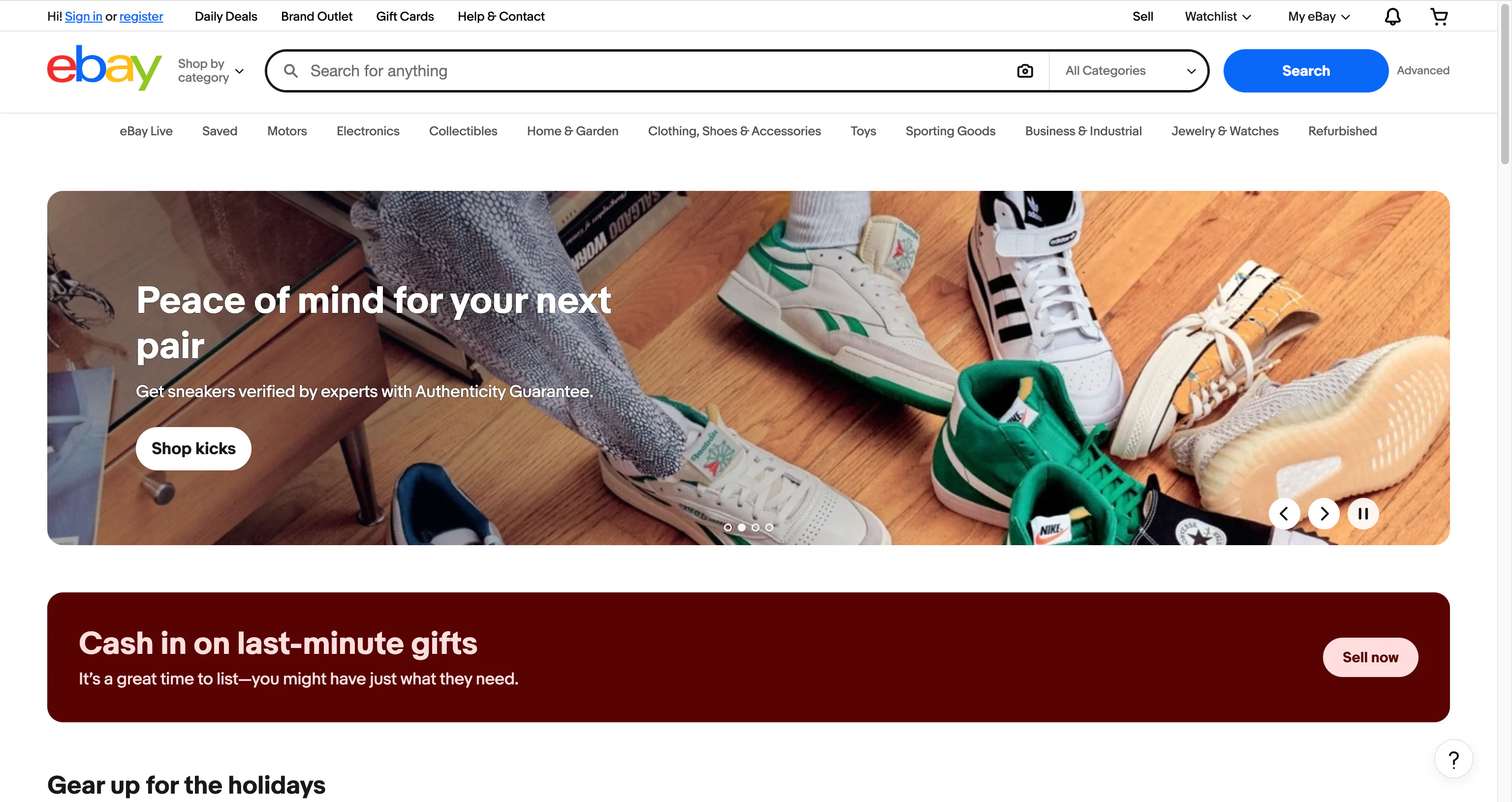
For Resellers: High Traffic Platforms
- Best Platforms: Amazon, eBay, Walmart
- Why It Works: These marketplaces offer massive traffic, making them ideal for resellers looking to reach a broad audience quickly.
- Great For: Selling branded products, consumer goods, and bulk inventory.
Resellers benefit from high-volume sales, but keep in mind that competition is fierce. Platforms like Amazon allow you to tap into large audiences, but you’ll need to navigate through Amazon’s FBA fees, Buy Box algorithm, and PPC advertising costs to succeed.
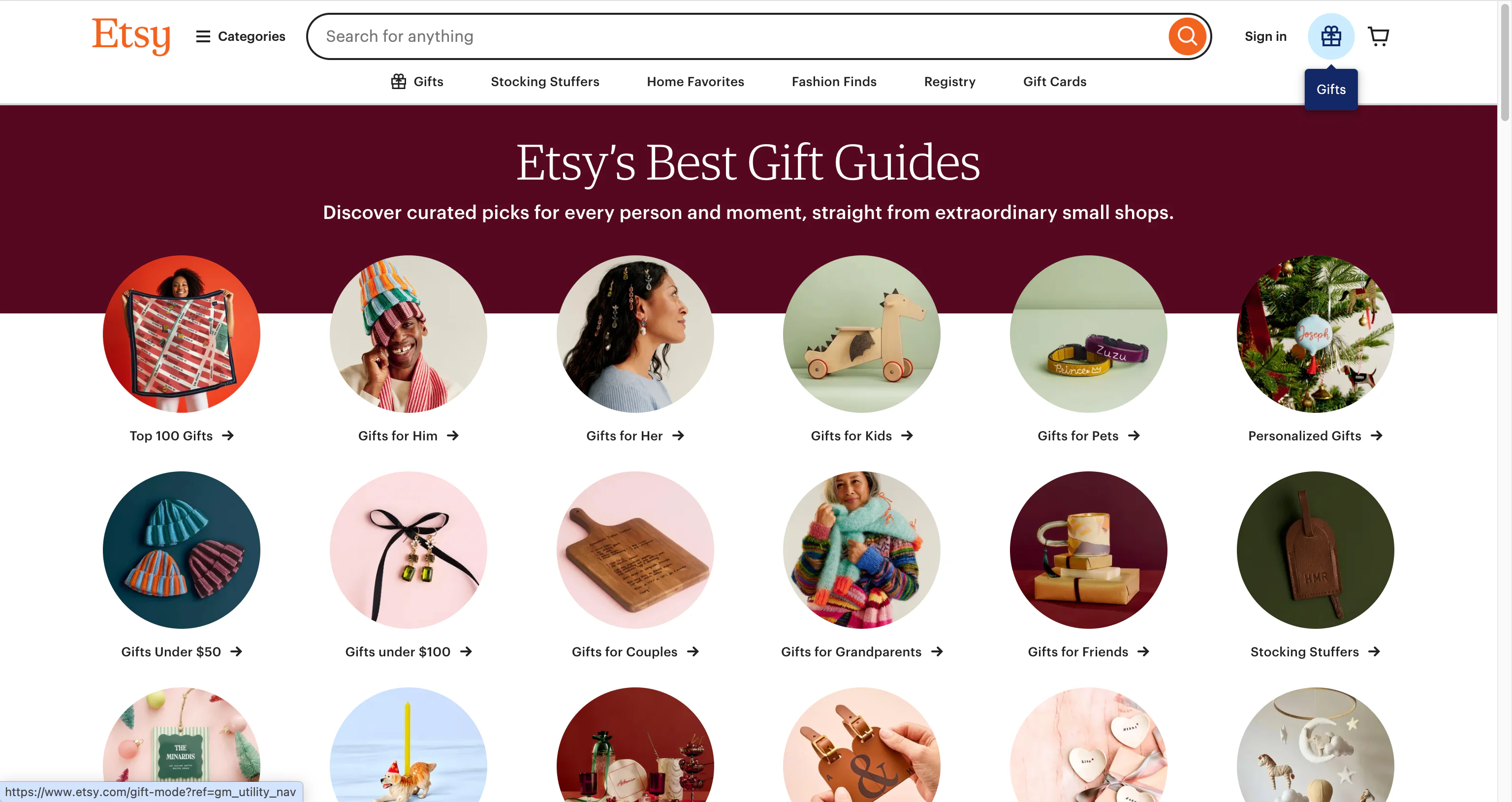
For Crafters & Artisans: Niche Audience Platforms
- Best Platforms: Etsy, Handmade by Amazon
- Why It Works: These platforms cater to niche audiences who are specifically looking for handmade, vintage, or unique items.
- Great For: Selling customized jewelry, artwork, and crafts.
Crafters and artisans often find higher margins in niche markets where demand is more specific. These platforms provide a more personalized shopping experience and a loyal customer base.
For B2B/Wholesalers: Bulk Orders Platforms
- Best Platforms: Alibaba, Faire, Tundra
- Why It Works: These platforms are built to handle high-volume, wholesale transactions, making them ideal for B2B businesses.
- Great For: Selling bulk goods, raw materials, and wholesale inventories to business buyers.
If your focus is on bulk selling, Alibaba is a great choice for global reach. For more domestic B2B, platforms like Faire and Tundra cater to small businesses and offer bulk buying with competitive prices.
For Digital Products: Instant Delivery Platforms
- Best Platforms: Gumroad, Etsy
- Why It Works: These platforms are ideal for digital products because they focus on instant delivery and digital transactions.
- Great For: Selling ebooks, online courses, music downloads, and design assets.
Digital products have minimal overhead costs since there’s no physical inventory to manage. Platforms like Gumroad and Etsy provide instant delivery to customers after purchase, making them perfect for creators and digital entrepreneurs.
Traffic vs. Competition: Analyzing the “Saturation Rate”
Understanding traffic is important, but competition plays an even bigger role in determining your success on any marketplace. Here’s how you can evaluate both to choose the right platform for your business.
Key Metric: Conversion Rate vs. Traffic Volume
While traffic volume tells you how many visitors come to your product page, conversion rate tells you how many of those visitors actually make a purchase. In other words, it’s important to focus not just on how many people visit, but how many of them convert into paying customers.
- Traffic Volume: The total number of visitors your page receives. While higher traffic increases exposure, it doesn’t guarantee sales.
- Conversion Rate: The percentage of visitors who complete a purchase. A higher conversion rate means your page is effectively turning visits into sales.
A marketplace with massive traffic might seem like the best option, but without high conversion rates, your sales might not meet expectations. Therefore, calculating your conversion rate alongside traffic volume is key to assessing the saturation rate of a marketplace.
Niche vs. Giant: Small Fish in a Big Pond vs. Big Fish in a Small Pond
There’s a trade-off between selling on massive platforms with huge traffic and focusing on a niche market with less competition.
- Small Fish in a Big Pond (e.g., Amazon):
Selling on marketplaces like Amazon gives you access to millions of customers, but it comes with fierce competition. Everyone is vying for the same attention, which means higher fees, advertising costs, and lower visibility unless you play by the platform’s strict rules (e.g., Amazon FBA, PPC ads, and Buy Box algorithms). - Big Fish in a Small Pond (e.g., Etsy):
On a niche platform like Etsy, you’re competing in a more focused market, which means less competition but also fewer potential customers. However, the audience is often more engaged and willing to spend money on handmade or unique products. Higher engagement and targeted marketing may lead to higher conversion rates, even with lower traffic.
Tip: If you’re new to the market or in a highly competitive field, starting in a niche marketplace may give you more control and higher conversion rates. Once you’ve established your brand, you can consider expanding to a larger platform like Amazon.
The Hidden Cost Analysis: Fees Beyond Commission on Online Marketplaces
When selling on an online marketplace, it’s not just about commission percentages. There are many hidden fees that can impact your profit margins, and understanding these costs is crucial to making an informed decision. Here’s a breakdown of the common fees beyond the commission:
Breaking Down the Costs
- Listing Fees:
Most marketplaces charge a fee to list your products, either as a flat fee per item or as a monthly subscription. For example, eBay charges a listing fee after a certain number of free listings. - Transaction Fees:
This fee is a percentage of the sale price and is typically taken when the sale is completed. On platforms like Amazon, this fee can range from 5% to 15%, depending on the product category and platform. - Payment Processing Fees:
Platforms such as PayPal or Stripe charge a fee to process payments. This fee is generally 2.9% + $0.30 per transaction, but it can vary by region or payment method. - Advertising Costs (PPC Ads):
If you want your products to be noticed, you may need to invest in Pay-Per-Click (PPC) advertising, especially on platforms like Amazon. These costs can vary greatly depending on the keywords you target. For example, the Amazon PPC budget can significantly impact your bottom line if you’re competing for popular keywords.
The “Take Rate” Reality
O “Take Rate” is the total percentage of your revenue that the marketplace takes, including all the fees mentioned above (listing, transaction, processing, and advertising fees). This is important because it can give you a true picture of how much of your revenue the platform really takes.
For instance, Amazon FBA can take up to 30-40% of your revenue when factoring in commission fees, shipping costs, storage fees, and advertising costs. This means that if you’re selling a product for $100, after all the fees, you might be left with only $60-$70.
Tip: Always calculate the total fees on a platform before pricing your products. Factor in every fee (including hidden ones) to ensure your pricing still allows for a reasonable profit margin.
Operational Fit: Integrations & Logistics (The Efficiency Factor)
When choosing an online marketplace, it’s crucial that the platform fits seamlessly with your tech stack and fulfillment needs. Efficiency in both operations and logistics can directly impact your business’s scalability and overall profitability.
Tech Stack: Seamless Integration with Your Systems
One of the first things to consider is whether the marketplace integrates well with your existing eCommerce platform, such as Shopify, WooCommerce, or your inventory management system (IMS).
- Why It Matters: A smooth integration helps you save time and avoid errors in inventory, pricing, and orders.
- What to Look For:
- Automated syncing between the marketplace and your inventory system.
- Easy import/export of product data, stock levels, and orders to avoid manual work.
- Integration with other tools you may use, like email marketing ou CRM software.
Popular marketplaces like Amazon and eBay offer API integrations with tools like Shopify, making it easier for businesses to automate and scale operations.
Fulfillment: Does the Platform Provide Fulfillment Services?
Another important consideration is whether the platform offers built-in fulfillment services, or whether you will need to manage logistics separately using a third-party logistics (3PL) provider.
- Why It Matters: Having an integrated fulfillment solution reduces operational headaches, speeds up shipping, and improves customer satisfaction.
- What to Look For:
- Fulfillment by Marketplace (FBA): Services like Amazon FBA and Walmart Fulfillment manage the storage, picking, packing, and shipping of your products. This allows you to focus on growing your business, without worrying about the day-to-day logistics.
- 3PL Integration: If your platform doesn’t provide fulfillment services, ensure it integrates with third-party logistics providers (3PLs). Platforms like Shopify or BigCommerce integrate seamlessly with ShipBob or ShipStation, providing flexibility in your logistics strategy.
- International Shipping: If you plan to sell globally, check if the platform can handle international shipping, including customs and tax calculations.
By using a platform with integrated fulfillment services or robust 3PL integration, you can ensure that your products get to your customers quickly and reliably, which is a key factor in boosting customer satisfaction and repeat sales.
Brand Ownership & Customer Data (The “Trust” Factor)
Owning your brand and customer data is one of the most valuable assets for any business. It goes beyond immediate sales—it’s about establishing long-term relationships, building trust, and creating future marketing opportunities.
Who Owns the Customer?
On marketplaces like Amazon, you don’t own the relationship with your customers. While you can make sales, the platform controls the customer experience. Amazon restricts direct communication, so you can’t collect email addresses or build customer profiles. This makes it challenging to foster brand loyalty or encourage repeat business, as you’re reliant on Amazon’s algorithm to drive traffic to your products.
On niche platforms like Etsy, you have direct access to your customers. You can collect their email addresses (with their consent), engage with them through personalized messages, and offer promotions or discounts. This direct relationship allows you to build brand loyalty and a community of returning customers.
Why It Matters
Owning your customer data provides you with several key benefits:
- Brand Loyalty: By directly engaging with your customers, you can create personalized experiences and rewards, making them more likely to return.
- Future Marketing Opportunities: Having access to customer emails allows you to build email marketing lists or use tools like CRM software to track customer behavior, preferences, and purchasing patterns. This information helps you craft more effective, targeted marketing campaigns.
- Independence from Platform Algorithms: On platforms like Amazon or eBay, you’re at the mercy of their search algorithms. If the platform changes its rules or algorithms, your visibility—and sales—could drop drastically. Owning your customer data reduces this risk, allowing you to diversify your marketing strategies and protect your brand’s growth.
Tip: If possible, prioritize platforms that allow you to have direct relationships with your customers. This gives you more control over your business, allowing for better growth and the ability to leverage customer data for future success.
Step-by-Step Selection Process (Actionable Guide)
Now that you understand the criteria, here is the roadmap to selecting your ideal platform without wasting budget.
Step 1: Calculate Your “True” Net Margin
Before you sign up, you must run the math. A marketplace is only “right” if the economics work. Do not just look at the commission; calculate the Landed Cost.
- The Formula:
Net Profit = Sales Price - (COGS + Platform Commission + Fulfillment/FBA Fees + PPC Ad Spend) - Dica profissional: As a general rule for 2025, if your product’s gross margin is below 30%, avoid high-fee marketplaces like Amazon; consider Shopify ou TikTok Shop instead.
Step 2: Conduct a “Saturation Analysis” on Competitors
Don’t just look at what competitors are selling; look at how hard it is to compete.
- Review Density: If the top 10 results for your keyword all have 1,000+ reviews, the market is saturated.
- Actionable Tip: Use tools like Jungle Scout (for Amazon) or Alura (for Etsy) to check the Opportunity Score. Look for high demand but low competition (low review counts).
Step 3: Select Your “Anchor” Based on Business Type
Avoid the “shiny object syndrome.” Commit to one primary channel that matches your operational model:
- For Resellers/Arbitrage: Anchor on Amazon ou eBay (High Volume).
- For Brand Owners/DTC: Anchor on Shopify + Google Shopping (Brand Control).
- For Handcrafters: Anchor on Etsy (Targeted Audience).
- Porque é que é importante: Splitting inventory too early dilutes your focus and ranking potential.
Step 4: Expand via Multichannel Software (The “Scale” Phase)
Once your anchor channel generates consistent daily sales (e.g., 10+ orders/day), expand to secondary channels to reduce risk.
Strategic Expansion: If you succeed on Amazon, Walmart Marketplace is the logical next step due to similar audience demographics but lower competition.
The Tech Requirement: Do not manage inventory manually. Use multichannel listing software like Sellbrite or ChannelAdvisor to sync stock levels across Amazon, Walmart, and eBay in real-time.
Marketplace Fee Comparison
| Marketplace | Target Audience | Avg. Commission | Melhor para |
|---|---|---|---|
| Amazon | General Public | 8% – 15% | High Volume Sellers |
| Etsy | Niche / Creative | 6.5% + Listing | Handmade / Vintage |
| eBay | Bargain Hunters | 10% – 13% | Resellers / Used Items |
FAQ: Common Marketplace Questions (PAA Optimization)
1. Is it better to sell on Amazon or my own website?
Selling on Amazon can provide immediate access to a large audience, but you will face platform fees and more competition. On the other hand, selling on your own website offers more control over branding, customer data, and lower fees, but it requires more marketing efforts and customer acquisition strategies.
Key Consideration: If you’re starting and need fast visibility, Amazon may be the way to go. However, for long-term growth and brand building, having your own website is highly beneficial.
2. What is the cheapest online marketplace to sell on?
The cost of selling on a marketplace depends on various factors, including listing fees, transaction commissions, and payment processing fees.
Cheapest Options: Platforms like eBay and Etsy can be more affordable for smaller sellers, especially in niche markets. Etsy’s listing fee is only $0.20 per item, with a commission of 5%, making it an economical option for creative products. However, for mass-market items, Amazon might be more expensive due to higher fees but offers larger sales volumes.
3. Can I sell on multiple marketplaces at once?
Yes, you can sell on multiple platforms simultaneously. In fact, diversifying your sales channels can help you reach a broader audience and reduce dependence on a single platform.
Pro Tip: Use inventory management tools or Multi-Channel Fulfillment (MCF) services to synchronize inventory and avoid overselling across different marketplaces.
4. How do I avoid high fees on marketplaces like Amazon?
While you can’t completely avoid platform fees, there are ways to minimize them:
· Optimize your listing to rank higher and increase sales volume, reducing the impact of fees on your profitability.
· Use FBA (Fulfillment by Amazon) to streamline fulfillment, which may reduce shipping costs and increase Prime eligibility.
· Consider alternative platforms with lower fees like eBay, Walmart, or Etsy, depending on your niche.
5. What’s the best platform for handmade goods?
For handmade goods, platforms like Etsy and ArtFire are ideal due to their focus on unique, handcrafted items. Etsy, in particular, has a dedicated customer base for handmade and vintage products, with lower fees compared to mass-market platforms like Amazon.
Why Etsy is Best: Etsy provides tools for creative businesses, such as customizable shops, an active community, and a focused marketplace for handmade items.
Conclusion: The “Omnichannel” Future
The future of eCommerce isn’t about relying on just one marketplace. It’s about creating a diversified, omnichannel strategy that enables you to reach your customers across multiple platforms. Don’t put all your eggs in one basket—expand your business across multiple channels to maximize your reach, minimize risks, and increase long-term success.
Key Takeaway: Focus on building your presence across several key marketplaces while maintaining control over your brand and customer data.
Em Sosourcing, we understand the challenges of managing multiple channels. As a reliable partner, we offer comprehensive support for sourcing products, handling shipping, and providing wholesale services—all in one place. Whether you’re looking for product suppliers or need logistics solutions, we’ve got you covered. Let us help streamline your business operations and ensure you can focus on growth while we handle the rest.