
Choosing the right kitchenware materials can completely change the way you cook, clean, and enjoy your kitchen. With so many options—stainless steel, bamboo, wooden, copper, silicone, and more—it’s easy to feel overwhelmed. Each material offers unique benefits and fits different cooking habits, from daily meal prep to gourmet creations.
In this guide, we’ll help you:
- Understand why kitchenware material matters for safety, durability, and cooking performance.
- Learn the key factors to consider before making a purchase.
- Compare the pros, cons, and best uses of the most common kitchenware materials.
- Discover how to make the right choice based on your cooking style, budget, and values.
Whether you’re a home cook upgrading your tools or a buyer sourcing kitchenware in bulk, this guide gives you the practical knowledge to make confident, informed decisions.
Why Kitchenware Material Matters?
When it comes to cooking, the quality of your ingredients isn’t the only thing that determines how great your meal turns out — the material of your kitchenware plays an equally important role. Choosing the right kitchenware materials affects not only how your food tastes but also how safely and efficiently you can prepare it.
Different kitchenware materials—such as stainless steel, bamboo, silicone, wood, copper, and plastic—each bring their own advantages and drawbacks. Some conduct heat better, some are easier to clean, while others are more eco-friendly or aesthetically appealing. The right material can make cooking easier, extend the life of your utensils, and even improve the flavor of your dishes.
In short, understanding kitchenware materials is essential for anyone who wants to build a safe, efficient, and sustainable kitchen. Whether you’re setting up your first home or upgrading your cookware collection, making informed decisions about materials ensures you cook smarter — and safer — every day.
9 Types of Kitchenware Materials Explained
Choosing the right kitchenware materials isn’t just about looks — it affects durability, safety, and even how your food tastes. Whether you’re a professional chef or a home cook, understanding each material’s strengths and weaknesses helps you build a smarter, more enjoyable kitchen setup.
1. Wooden Kitchenware Utensils
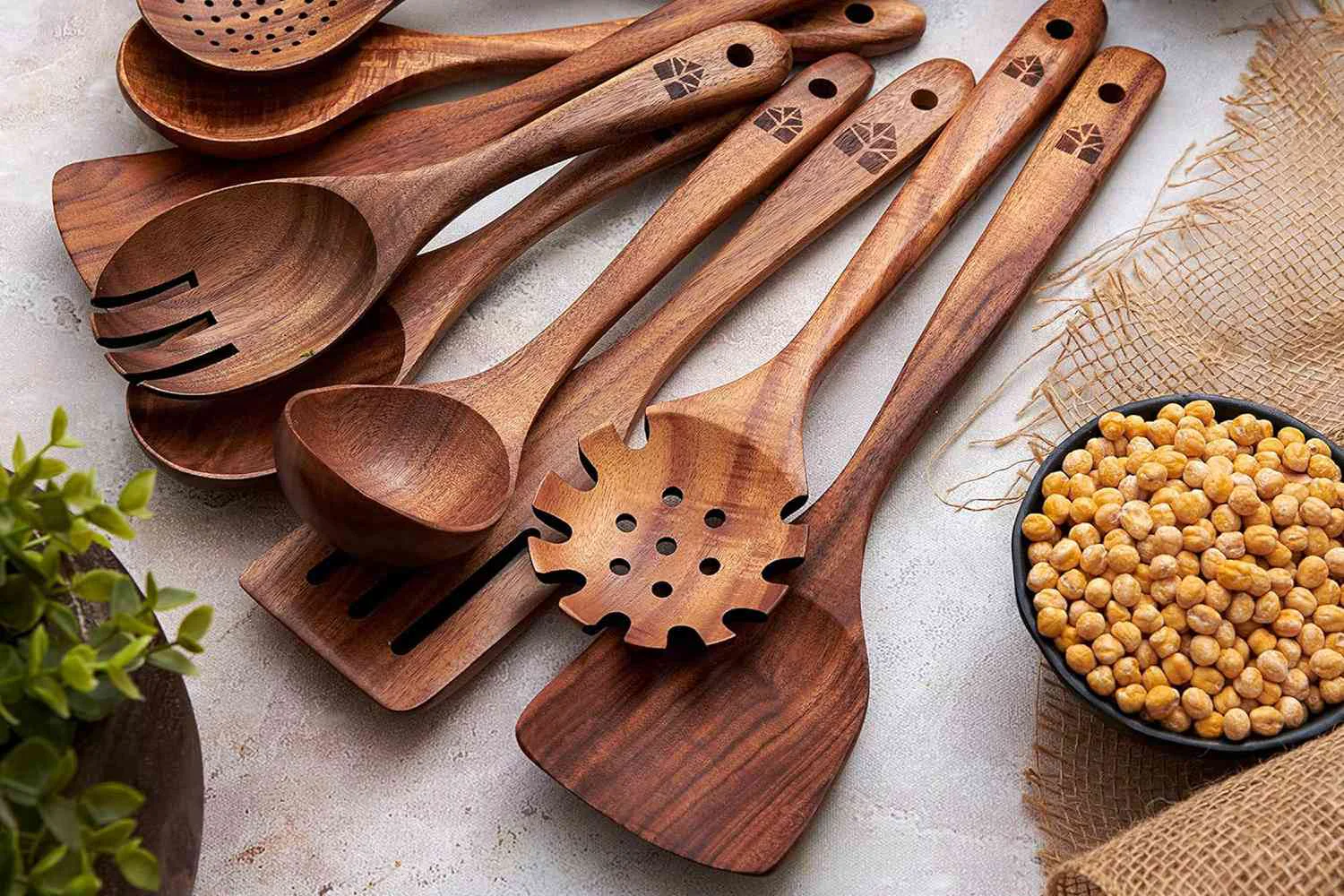
Wooden kitchenware brings warmth and craftsmanship to your kitchen. It’s gentle on pots and pans, especially nonstick ones, and provides a natural feel that metal tools can’t replicate. With proper care, wooden utensils can last for years.
| Característica | Details |
|---|---|
| Characteristics | Natural, smooth, and non-scratch |
| Pros | Eco-friendly, lightweight, perfect for nonstick cookware |
| Cons | Absorbs moisture, can crack, requires oil treatment |
| Best Use | Salad spoons, spatulas, stirring tools |
| Care Tips | Avoid soaking in water; apply food-safe mineral oil monthly |
2. Stainless Steel Kitchenware
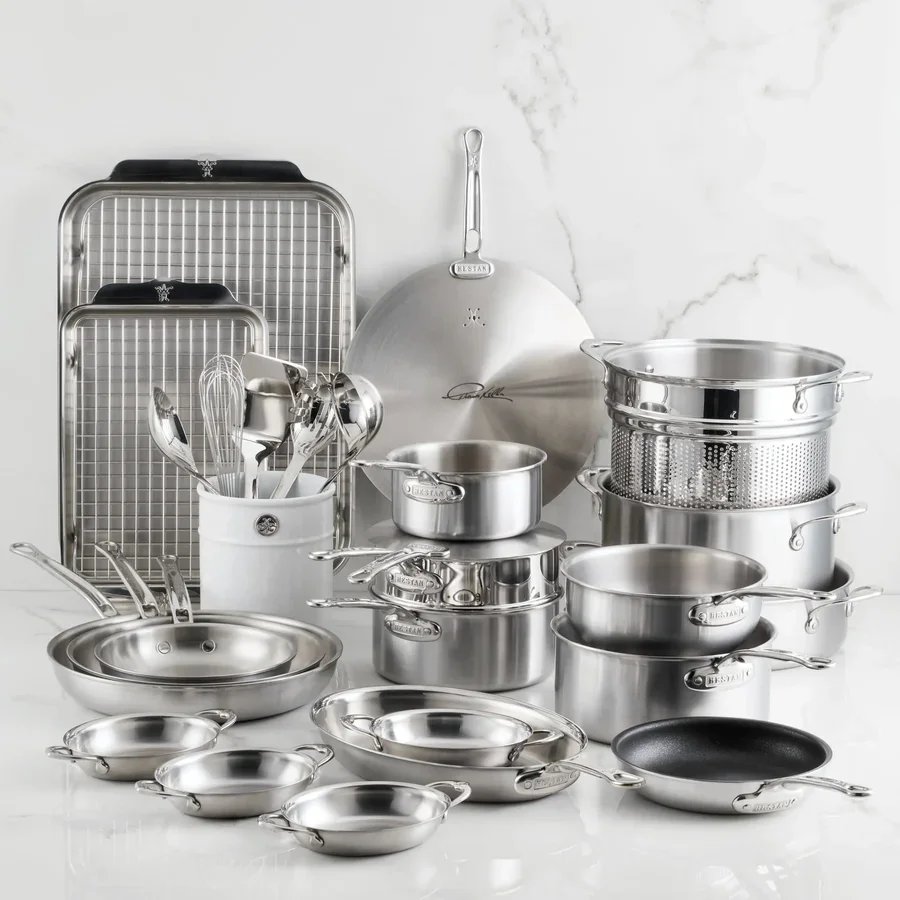
Stainless steel is the all-rounder among kitchenware materials — tough, hygienic, and resistant to rust. It’s perfect for both professional and everyday cooking. The only drawback is that pure stainless steel doesn’t distribute heat evenly unless layered with aluminum or copper.
| Característica | Details |
|---|---|
| Characteristics | Durable, heat-tolerant, versatile |
| Pros | Non-reactive, long-lasting, dishwasher-safe |
| Cons | Uneven heat without core layers |
| Best Use | Pots, pans, mixing bowls, measuring cups |
| Buying Tip | Choose 304 or 316-grade stainless steel for food safety |
3. Bamboo Kitchenware
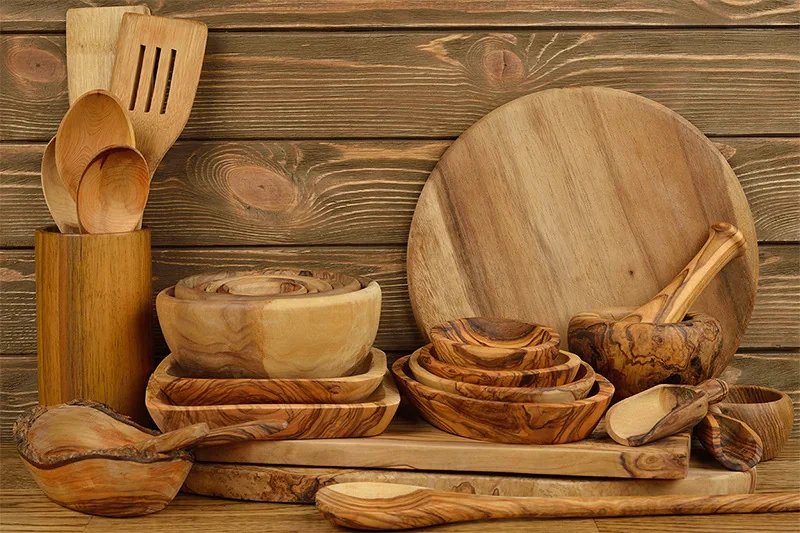
Bamboo is a rising eco-friendly choice among modern households. It’s naturally antibacterial and lighter than wood, but also less heat-resistant. Perfect for those looking for sustainable alternatives to plastic.
| Característica | Details |
|---|---|
| Characteristics | Renewable, lightweight, smooth texture |
| Pros | Naturally antibacterial, eco-friendly, stylish |
| Cons | Not suitable for high temperatures, may warp with heat |
| Best Use | Cutting boards, salad bowls, serving spoons |
| Eco Highlight | A plastic-free and biodegradable option |
4. Copper Kitchenware
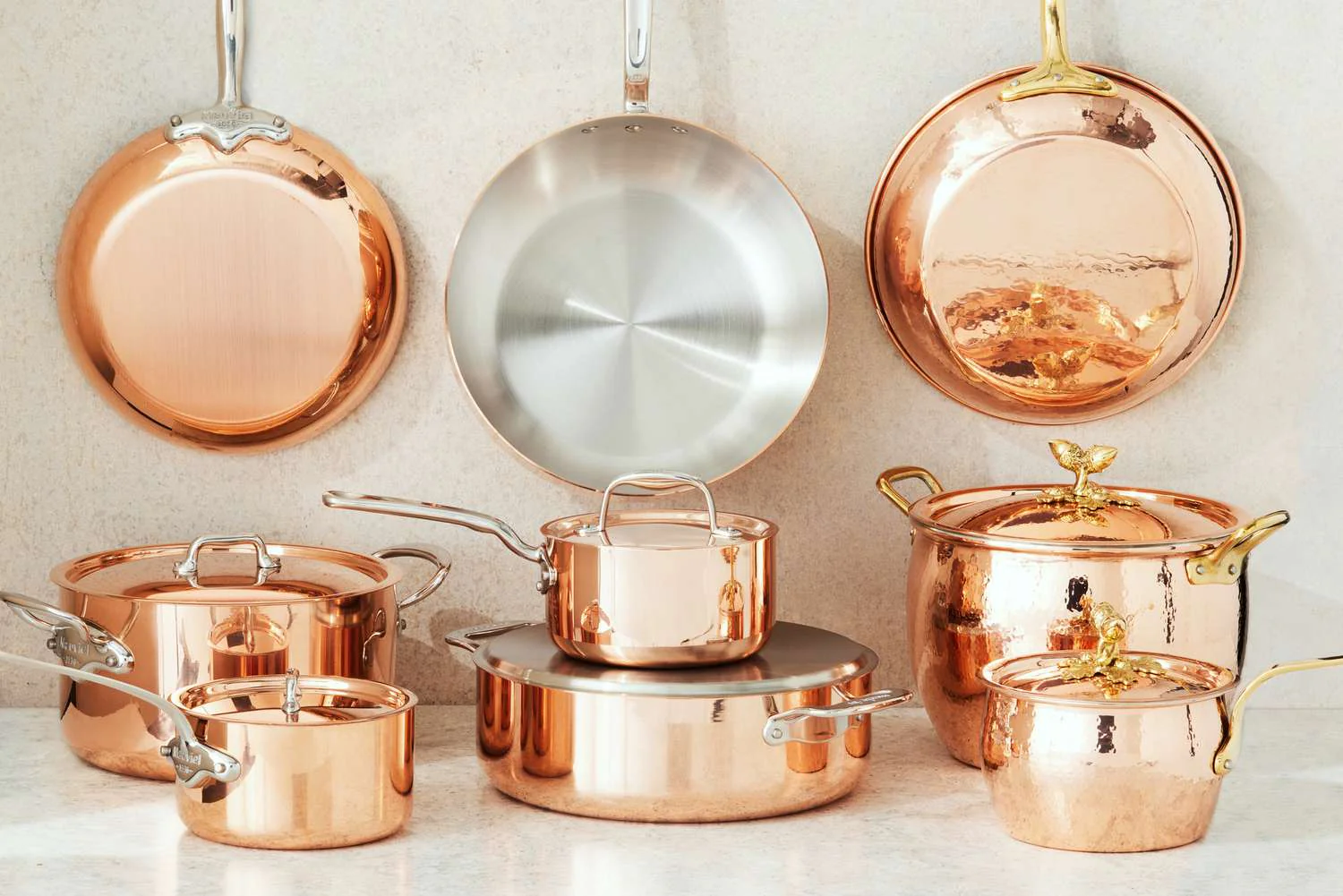
Copper is a professional-grade material beloved by chefs for its precise heat control. It’s stunning in appearance and superb in conductivity but does require polishing and care to prevent tarnish.
| Característica | Details |
|---|---|
| Characteristics | Premium, heat-conductive, elegant |
| Pros | Heats evenly, aesthetic appeal, responsive cooking control |
| Cons | Expensive, requires regular polishing, reactive with acidic foods |
| Best Use | Saucepans, sugar pots, display cookware |
| Maintenance Tip | Line with stainless steel; polish monthly for shine |
5. Silicone Kitchenware
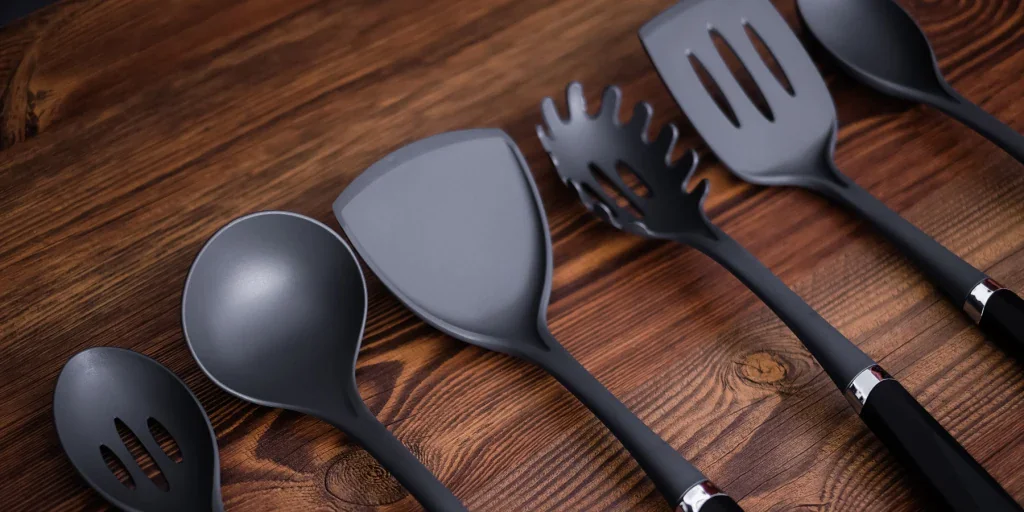
Silicone is a modern essential in any kitchen — flexible, heat-resistant, and easy to clean. It’s ideal for baking and safe for use with all cookware, especially nonstick surfaces.
| Característica | Details |
|---|---|
| Characteristics | Soft, flexible, heat-resistant |
| Pros | Nonstick, safe, durable, great for baking |
| Cons | Can tear if cut, low-quality silicone may contain fillers |
| Best Use | Baking molds, spatulas, ladles |
| Buying Tip | Ensure it’s food-grade and FDA or LFGB certified |
6. Plastic Kitchenware
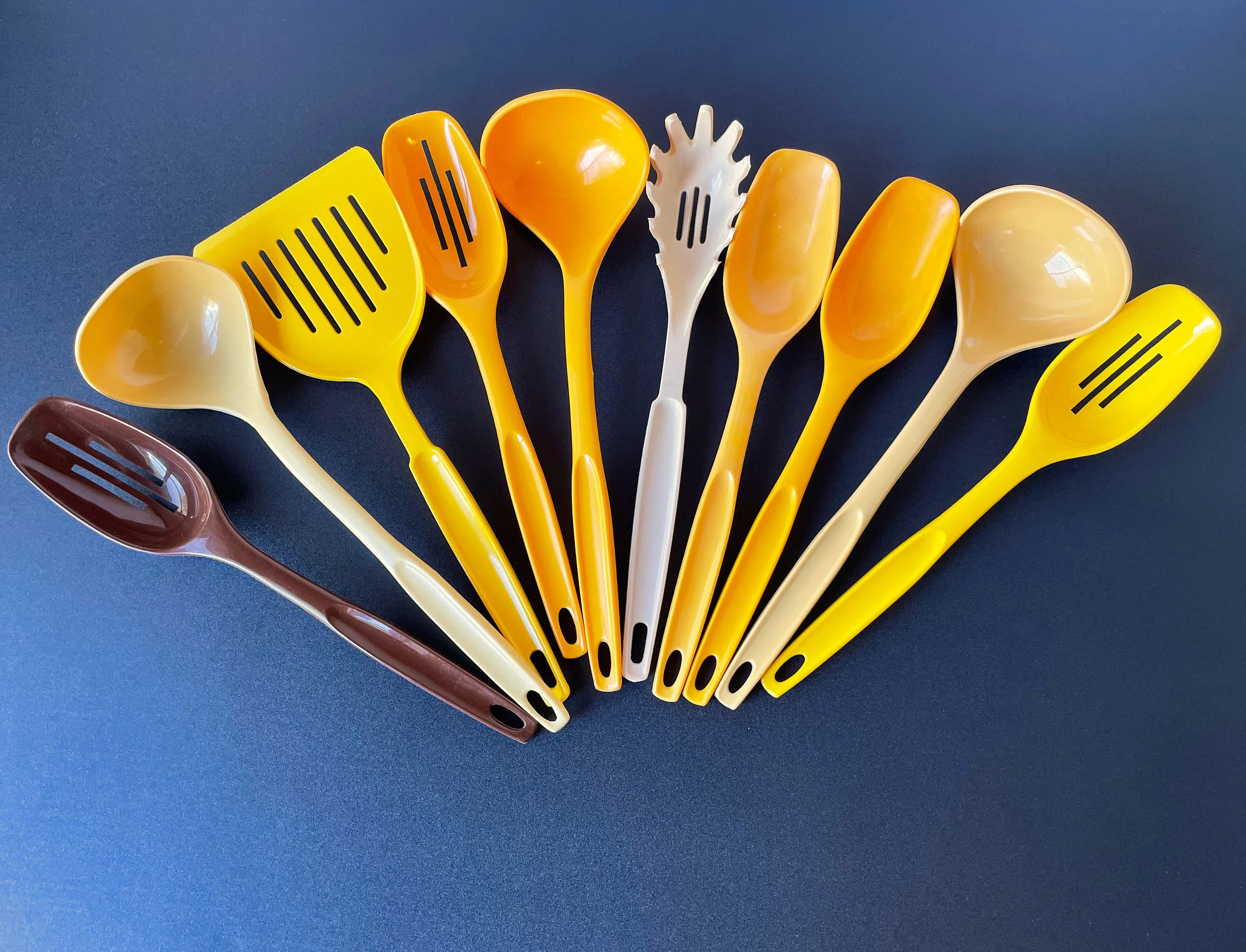
Plastic kitchenware is budget-friendly and colorful, ideal for casual or outdoor use. However, it’s not heat-tolerant and can leach chemicals if exposed to high temperatures.
| Característica | Details |
|---|---|
| Characteristics | Lightweight, colorful, affordable |
| Pros | Versatile designs, inexpensive, easy to store |
| Cons | Prone to odor absorption, aging, may contain BPA |
| Best Use | Storage boxes, mixing bowls, measuring cups |
| Safety Tip | Avoid high heat and always choose BPA-free plastic |
7. Cast Iron Kitchenware
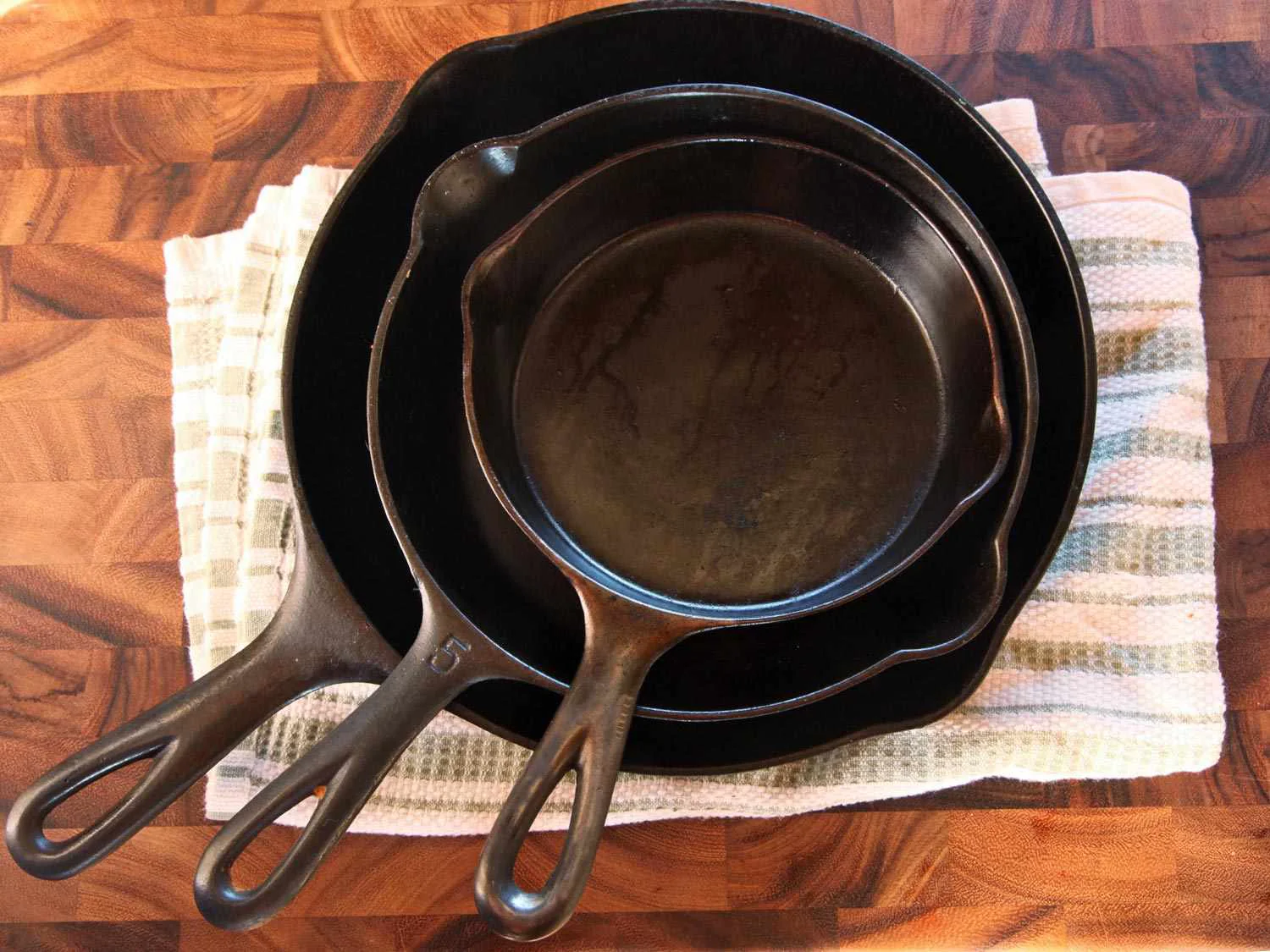
Cast iron is one of the oldest and most reliable kitchenware materials, known for its unmatched heat retention. It’s perfect for slow cooking and searing, though it’s heavy and needs seasoning to stay rust-free.
| Característica | Details |
|---|---|
| Characteristics | Heavy-duty, retains heat exceptionally well |
| Pros | Durable, evenly cooks food, adds flavor with use |
| Cons | Heavy, rust-prone if not seasoned, slow to heat up |
| Best Use | Skillets, Dutch ovens, grills |
| Care Tips | Season regularly with oil; avoid soaking in water |
8. Aluminum Kitchenware
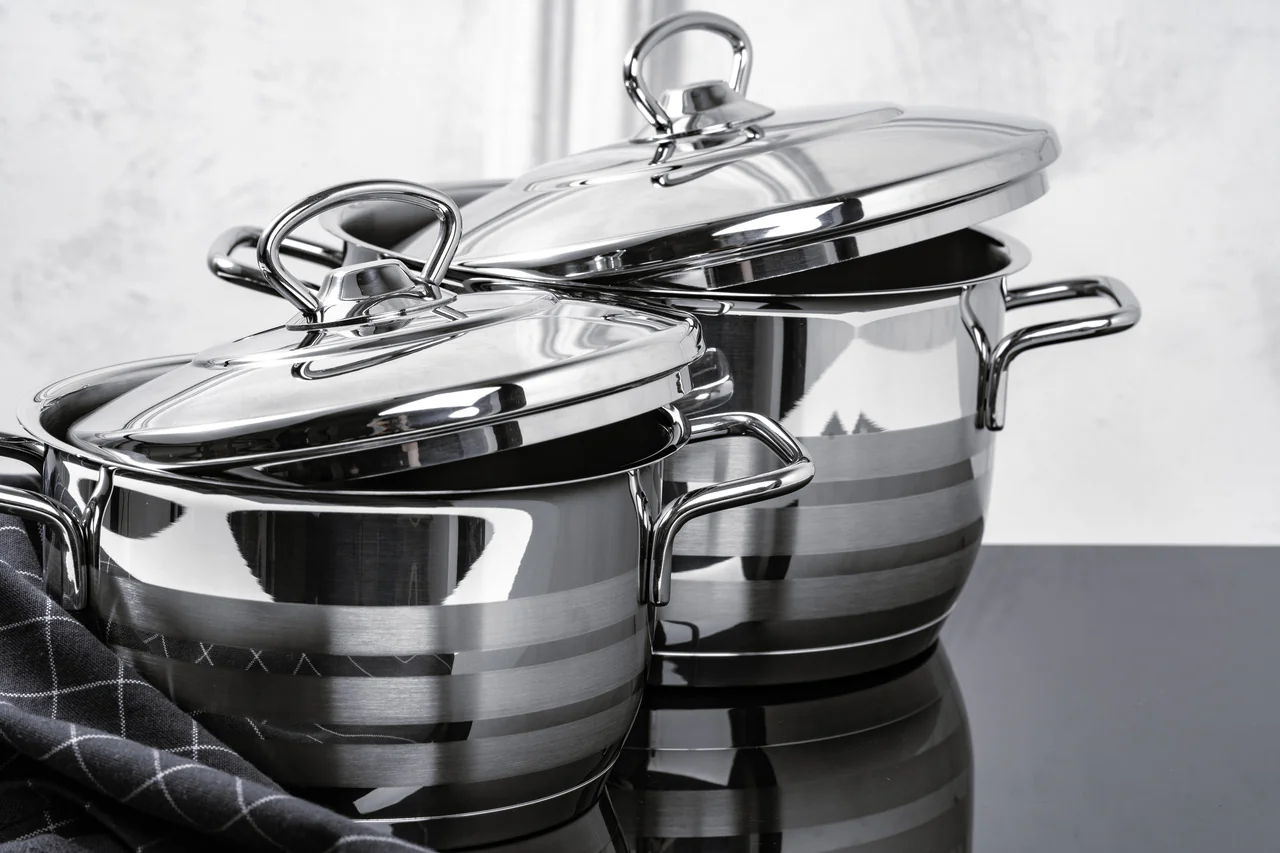
Aluminum is prized for its light weight and rapid heat conduction. It’s common in affordable cookware sets, though uncoated aluminum can react with acidic foods — anodized or nonstick-coated options are safer.
| Característica | Details |
|---|---|
| Characteristics | Lightweight, fast heating |
| Pros | Affordable, distributes heat evenly, energy-efficient |
| Cons | Can warp under high heat, reactive if uncoated |
| Best Use | Frying pans, saucepans, baking trays |
| Buying Tip | Go for anodized or coated aluminum for durability and safety |
9. Glass Kitchenware
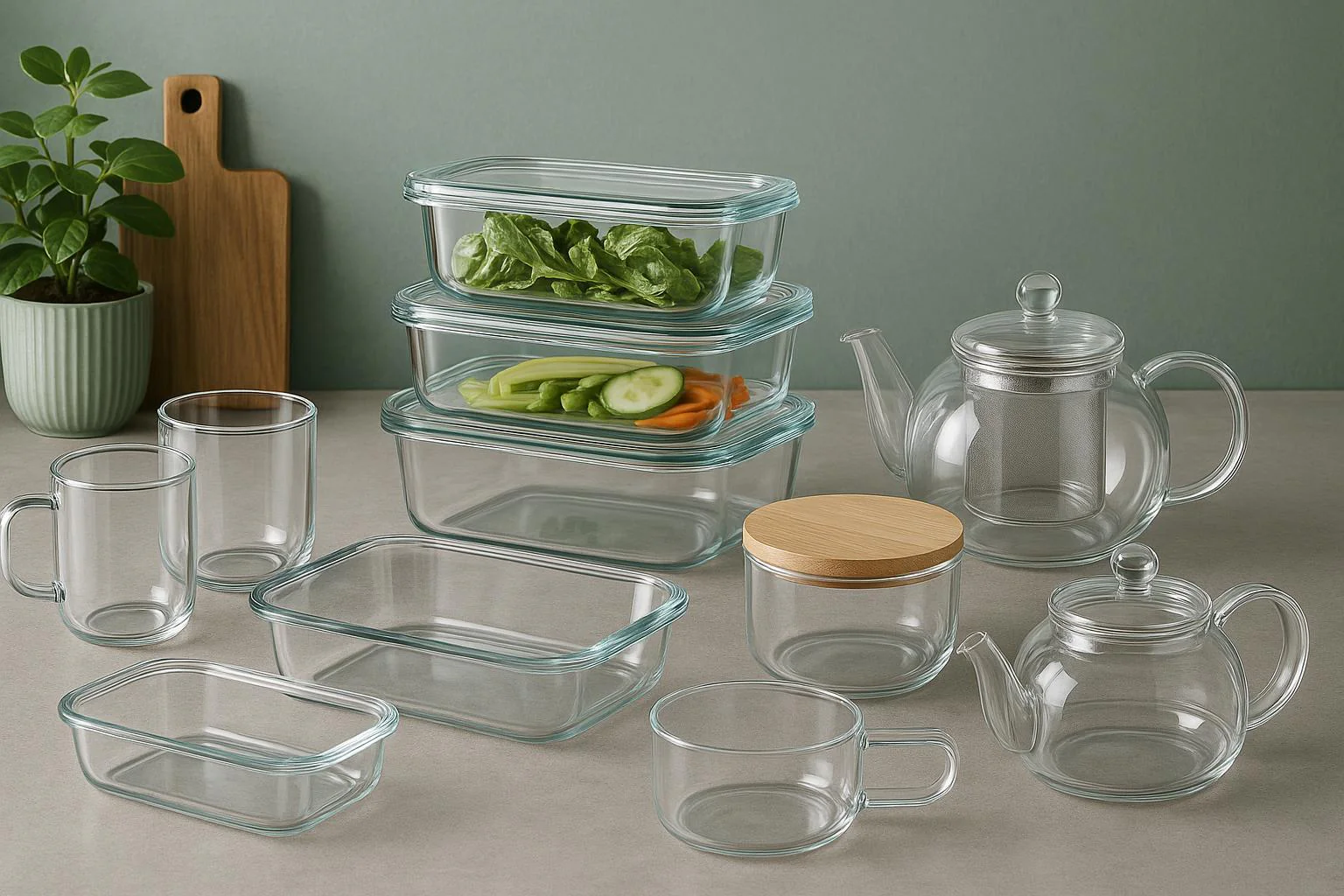
Glass kitchenware is popular for baking and food storage. It’s non-reactive, transparent, and easy to clean — perfect for health-conscious cooks. However, it can shatter under sudden temperature changes.
| Característica | Details |
|---|---|
| Characteristics | Transparent, non-reactive, sleek design |
| Pros | Chemical-free, easy to clean, great for oven use |
| Cons | Fragile, not suitable for stovetops |
| Best Use | Baking dishes, measuring jugs, storage containers |
| Safety Note | Avoid thermal shock — never move from oven to cold surface directly |
How to Make the Right Choice for Your Kitchen?
Selecting the right kitchenware materials isn’t about following trends—it’s about matching your cooking habits, lifestyle, and values. Every kitchen is different, and the best tools are the ones that work for you. Let’s explore how to make the smartest decision when building your collection.
Understand Your Cooking Habits
Start by thinking about how you cook on a daily basis. If you’re someone who enjoys quick weekday meals, lightweight and easy-to-clean materials like silicone, stainless steel, or plastic will save you time and effort. On the other hand, if you love slow cooking, baking, or searing meat, cast iron or copper cookware delivers unmatched performance.
A 2024 Home Kitchen Insights survey found that over 65% of home cooks use at least two types of kitchenware materials for different purposes — one for daily cooking and another for special dishes. Understanding how you cook helps narrow down choices before you even start shopping.
Balance Durability, Maintenance & Budget
Every material has trade-offs. Stainless steel and silicone are incredibly durable, dishwasher-safe, and long-lasting — ideal if you want low-maintenance tools. Wood and bamboo, while stylish and eco-friendly, need more care and occasional oiling. Copper cookware offers top-tier performance but demands polishing and a higher upfront cost.
If you’re on a budget, aluminum or mixed-material cookware sets can give you excellent value without breaking the bank. Remember, cheaper doesn’t always mean worse — as long as it’s food-grade and well-built. Think of your kitchen as an ecosystem: a few high-quality items combined with affordable accessories can create the perfect balance of function and value.
Choose Based on Your Lifestyle & Kitchen Aesthetics
Beyond cooking, your kitchenware should also reflect your personality and lifestyle. Minimalists often favor sleek stainless steel or glass for a modern look, while eco-conscious users lean toward bamboo and wood. If you entertain often, copper and ceramic pieces can add a decorative, professional touch to your kitchen display.
Another tip: don’t limit yourself to one material. Combining stainless steel pots, silicone spatulas, and wooden spoons offers both performance and charm. It’s not about having one “best” option—it’s about creating a mix that fits how you live, cook, and host.
Before buying, always check product labels for BPA-free, food-safe, and FDA-certified materials to ensure long-term safety. Quality kitchenware should make your cooking easier, not risk your health.
Conclusión
In today’s competitive kitchenware market, choosing the right material means finding the perfect balance between functionality, aesthetics, and cost-effectiveness. Whether you focus on professional-grade stainless steel or sustainable bamboo, understanding your customers’ expectations and market trends is key.
En SoSourcing, we help global buyers source high-quality kitchen utensils directly from verified Chinese manufacturers. With one-stop sourcing services—from product comparison and factory audit to quality inspection and shipment coordination—we make your kitchenware procurement simpler, safer, and more efficient.