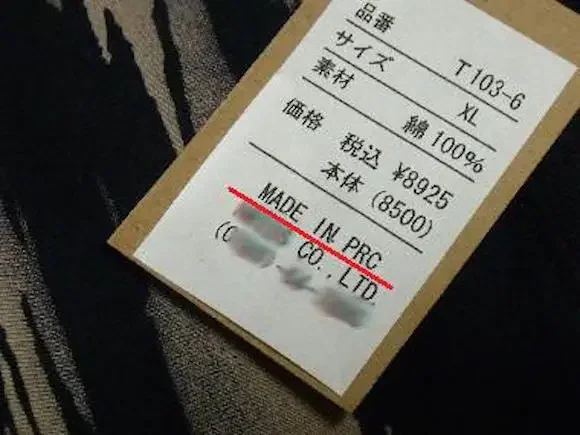
When sourcing products from China, you may have noticed labels like “Made in PRC” on certain items. Many buyers are confused by this terminology and wonder if it is different from the more familiar “Made in China.”
This article explains what made in PRC means, the reasons manufacturers use it, and common misconceptions surrounding the label. We’ll also compare it to “Made in China” from multiple perspectives, including quality, legality, and market perception. By the end, you’ll understand how the label affects your sourcing decisions and how to navigate the global supply chain more confidently.
What Does “Made in PRC” Actually Mean?
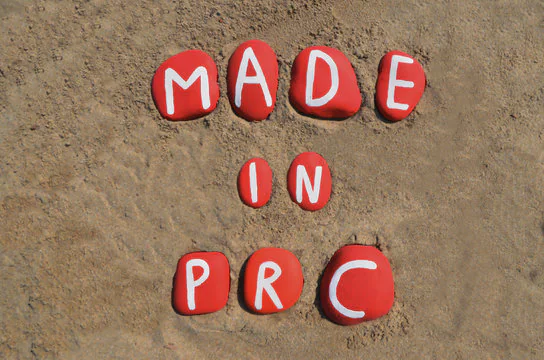
When you see a product labeled “Made in PRC,” it might look unfamiliar at first glance. But don’t worry—it simply stands for “Made in the People’s Republic of China.” In other words, made in PRC means made in China. There’s no difference in where the product is produced or who made it; the only change lies in how the label is written.
Many people assume “PRC” refers to another country or a special region, but that’s not true. PRC is the formal name of China, often used in international trade documents, customs forms, and certificates of origin. So, when you buy a lamp, an appliance, or a piece of furniture marked made in PRC, you’re still purchasing something that comes from China’s manufacturing system.
To put it simply, here’s a quick reference table:
| Label on Product | Meaning | País de origem |
|---|---|---|
| Made in PRC | Made in the People’s Republic of China | China |
| Fabricado na China | Same as above | China |
| Made from PRC | Informal variation, often seen in online listings | China |
Today, you’ll find this label across a wide range of industries — from electronics and lighting to textiles, kitchenware, and automotive parts. According to trade data from the World Bank, China accounts for over 30% of global manufacturing output, which explains why so many products are labeled made in PRC.
Why Manufacturers Use “Made in PRC” Instead of “Made in China”?
Many buyers wonder why some factories choose to print “Made in PRC” instead of the more familiar “Made in China.” At first, it might seem confusing, but there are clear and practical reasons behind this choice. Most of them come down to branding, compliance, and perception.
Branding and Marketing Reasons
Let’s start with branding.
Some companies prefer “Made in PRC” because it sounds more formal and neutral. In certain markets, “Made in China” has long carried political or quality-related stereotypes. These associations don’t reflect today’s reality — China now produces everything from low-cost goods to high-end electronics and luxury items.
By using “PRC,” manufacturers can avoid potential bias and give products a cleaner, more professional look. For instance, a European lighting brand or an American home décor company might find that “Made in PRC” feels more acceptable to their customers, even though the product is still made in China. It’s a subtle way to improve brand image without hiding the truth.
Export Regulation or Labeling Requirements
In some cases, the reason is simply regulatory.
Certain importing countries or trade agreements allow or even require the use of the full formal country name — People’s Republic of China (PRC) — on customs documents and packaging. For example, when filing export paperwork or applying for certificates of origin, Chinese suppliers often use “PRC” to match legal documentation.
So, what you see on the label often aligns with how the product is declared in customs systems. In this way, “Made in PRC” isn’t just a marketing choice — it’s also a compliant, internationally accepted labeling format.
Perception Management
Perception plays a big role in global trade.
While “Made in China” is widely recognized, some consumers associate it with mass production or lower quality. Manufacturers know that first impressions matter, especially in premium markets.
By printing “Made in PRC,” they can create a more neutral perception and appeal to buyers who might otherwise hesitate. The label looks official, less politicized, and more international. It helps brands bridge cultural differences while maintaining transparency about where their goods are made.
In short, using “Made in PRC” is not about hiding the truth — it’s about communication strategy. Whether for branding, compliance, or perception, this alternative label helps manufacturers position their products more effectively in a global market that values both quality and presentation.
Is There Any Difference Between “Made in PRC” and “Made in China”?
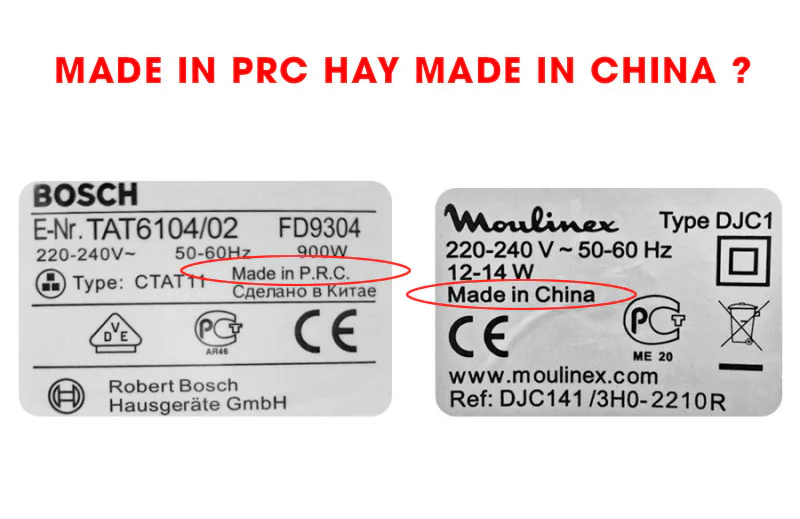
Many importers and wholesalers ask whether “Made in PRC” differs from “Made in China.” The short answer is no — both labels indicate products manufactured in China. However, understanding the nuances can help B2B buyers make informed sourcing decisions.
Here’s a clear comparison from multiple dimensions:
| Dimension | Made in PRC | Fabricado na China |
| Origin | People’s Republic of China | China |
| Legal Status | Fully recognized as a valid origin label in international trade | Fully recognized |
| Perception | More neutral, formal label for international markets | Commonly recognized, sometimes associated with stereotypes |
| Usage in Documents | Often used in customs forms, certificates of origin, and export declarations | Can be used interchangeably in paperwork |
| Consumer Awareness | May confuse end-users unfamiliar with the abbreviation | Widely understood by most consumers |
| Quality Implications | No impact on actual product quality | Same as above |
| Marketing Flexibility | Provides a subtle branding advantage in certain regions | Neutral branding, more familiar |
This comparison shows that the choice between “Made in PRC” and “Made in China” is mostly about formality, branding, and perception, rather than origin or quality. For B2B sourcing, understanding this helps you communicate clearly with suppliers, avoid compliance issues, and manage customer expectations effectively.
Common Misconceptions About “Made in PRC”
Many buyers still have doubts when they see “Made in PRC” on a product. Misunderstandings about this label are common, especially among international B2B importers. Let’s clear up the top misconceptions and provide accurate information.
Mistake 1: “Made in PRC Means Everything Is Produced in China”
Misconception: Many people think that products labeled Fabricado na China ou Made in PRC are fully sourced and manufactured in China.
Reality: This is not entirely true. Many Chinese manufacturers import key components or raw materials from international suppliers, including countries like Japan, South Korea, the EU, and the USA.
- Exemplo: A lighting fixture labeled Made in PRC might contain Japanese LED chips or South Korean electronic components.
- Key takeaway: The label indicates where the product is assembled, but some of its parts may come from abroad.
Mistake 2: “Made in PRC Products Are Low Quality”
Misconception: Some buyers assume that made in PRC automatically signals poor quality. They may associate the label with mass-produced, cheap goods.
Reality: Product quality depends on factory standards, quality control, and certifications, not the label itself. Many items labeled made in PRC meet CE, UL, ISO 9001, or other international quality standards. For example, a lighting manufacturer in Shenzhen may use high-grade LEDs from Japan or Korea while assembling the final product in China, and the entire fixture can pass rigorous safety tests.
- Data point: According to Statista, over 70% of Chinese export electronics in 2023 met international certification standards.
- Tip for buyers: Focus on supplier audits, sample testing, and certifications rather than assuming low quality from the label.
Mistake 3: “Made in PRC Is Not a Legally Recognized Label”
Misconception: Some buyers think “Made in PRC” is unofficial, or even illegal in international trade.
Reality: PRC is fully recognized worldwide as a legal country of origin. Customs authorities, trade regulations, and export documents accept it just like “Made in China” or even “Made from PRC.” Many factories use PRC on invoices and shipping labels to match export documentation and certificates of origin, ensuring smooth customs clearance.
- Practical note: Using “PRC” aligns with international standards for formal documentation and reduces potential disputes during customs inspections.
Mistake 4: “Made in PRC Products Are Always Counterfeits”
Misconception: Some importers worry that products labeled made from PRC are knock-offs or fake goods.
Reality: While counterfeit products exist in any market, the label made in PRC does not indicate counterfeit status. Many reputable manufacturers in China produce OEM and private-label products that comply with CE, RoHS, UL, or FCC standards.
- Exemplo: A kitchen appliance marked made in PRC might be sold under a European brand, fully certified, and legally imported, with no quality compromise.
- Tip for B2B buyers: Evaluate suppliers based on factory certifications, production process transparency, and client references rather than judging solely by the label.
Mistake 5: “All Buyers Prefer the PRC Label”
Misconception: Some think that “Made in PRC” is always preferred over “Made in China.”
Reality: Market perception varies. In some regions, especially Europe or the Middle East, Made in PRC appears more formal and neutral. In other markets, like the US, buyers are more familiar with Fabricado na China. Choosing the label depends on the target market’s preferences and regulations.
Below is a quick-reference table:
| Misconception | Reality |
| PRC means another country | PRC = People’s Republic of China |
| PRC products are low quality | Quality depends on factory standards, not label |
| PRC is illegal label | Fully recognized internationally |
| PRC products are knock-offs | Many reputable brands and OEMs use PRC labels |
| Customers reject PRC labels | Neutral label improves market acceptance in some regions |
In short, the label does not determine quality, legality, or authenticity. Understanding the nuances of PRC labeling helps B2B buyers make informed decisions, avoid misconceptions, and communicate clearly with suppliers.
For international buyers looking for reliable sourcing, SoSourcing provides trusted Chinese suppliers, quality inspection services, and end-to-end support. Whether you’re sourcing electronics, home goods, or industrial products, SoSourcing ensures your products are genuine, compliant, and delivered efficiently—making your global procurement process simpler and safer.