In 2025, the Canton Fair remains the world’s largest trade hub, uniting thousands of suppliers and buyers in Guangzhou. Yet high tariffs and shifting policies are reshaping global sourcing—raising costs, squeezing margins, and forcing exporters to look beyond traditional markets like the U.S. toward Latin America, the Middle East, and Southeast Asia. More than an exhibition, Canton Fair 2025 is a strategic platform to rethink sourcing, explore new markets, and secure smarter deals. This guide shows you how to navigate tariffs effectively and turn challenges into opportunities.
Overview of Canton Fair 2025
What Is the Canton Import and Export Fair?
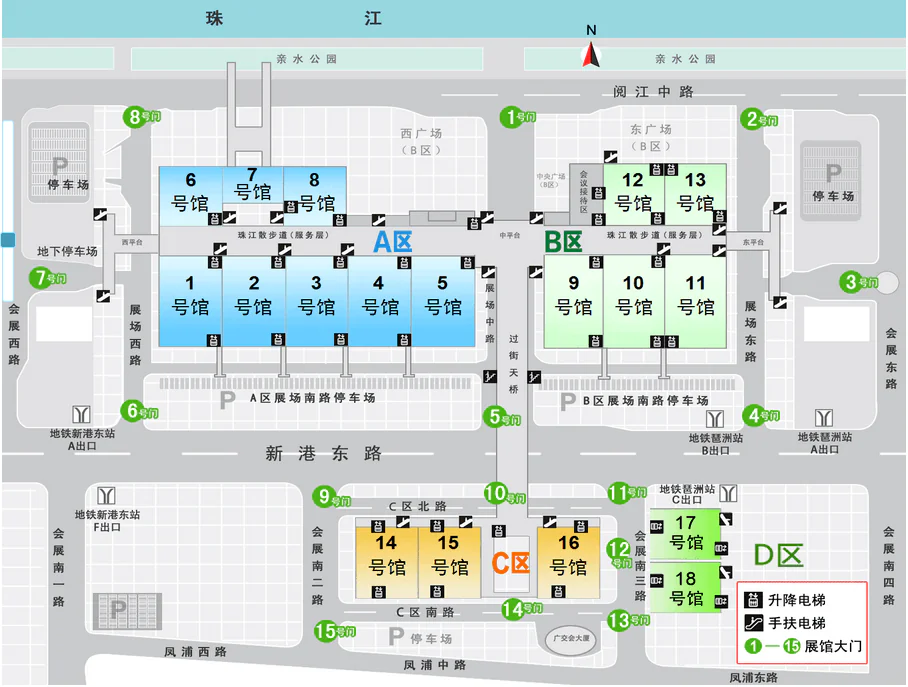
The Canton Import and Export Fair, also known as the Canton Fair, is the largest trade event in China and one of the most influential in the world. It has been held every spring and autumn in Guangzhou since 1957, attracting buyers from over 200 countries. In 2024, the fair welcomed more than 200,000 visitors, proving its role as a key hub for global trade.
Canton Fair 2025 Dates and Schedule
The Canton Fair 2025 dates for the autumn session are confirmed for October and November. The event is divided into three phases, each highlighting different industries. Knowing the Canton Fair 2025 schedule helps buyers plan visits more efficiently and focus on the right product categories.
| Phase | Dates (2025) | Main Categories |
| Phase 1 | Oct. 15 – 19 | Electronics, Household Appliances, Building Materials, Machinery |
| Phase 2 | Oct. 23 – 27 | Consumer Goods, Gifts, Home Decoration |
| Phase 3 | Oct. 31 – Nov. 4 | Textiles & Garments, Shoes, Office Supplies, Health Products, Food |
Why Canton Fair 2025 Matters?
Beyond product displays, the fair offers valuable chances to meet reliable suppliers, compare prices, and track new market trends. For many businesses, it is not only a sourcing event but also a platform to explore partnerships and expand into new regions. Whether you are looking for innovative products or long-term business deals, Canton Fair 2025 remains the place where global opportunities come together.
The High Tariff Challenge in 2025
High tariffs are one of the biggest challenges facing global trade in 2025. Import duties on many product categories have risen sharply over the past few years. For example, U.S. tariffs on certain electronics and machinery now reach 25%, while Europe has tightened regulations on textiles and household goods. These changes raise costs, cut into profit margins, and make price competition tougher than ever.
For buyers, the impact is clear: higher landed costs and shrinking room for negotiation. For exporters, long-standing markets like the U.S. are harder to maintain, forcing them to diversify into regions such as Latin America, the Middle East, and Southeast Asia. This shift has created both risks and opportunities, pushing companies to rethink sourcing strategies and explore new partnerships.
At Canton Fair 2025, tariffs will be at the center of many discussions.Every negotiation, every booth visit, every product demo will be seen through the lens of tariffs and cost. If you want to succeed, you must understand the exact levels per product category. Only then can you negotiate smart, or pivot strategy fast.
How High Tariffs Affect Trade at Canton Fair 2025?
Product Categories Most Affected
Not all industries are hit equally by tariffs. Some product lines carry heavy duties in the U.S. and Europe, making them more sensitive in sourcing decisions. The table below shows several key categories with typical tariff levels in 2025:
| Categoria | U.S. Tariff Range (2025) | EU Tariff Range (2025) | Key Impact |
| Apparel & Textiles | 30%–70% (depending on HS code) | ~10–12% + VAT | Rising landed costs, pressure on retail pricing |
| Electronics & Semiconductors | ~25% baseline (some up to 50%) | Varies; extra regulatory barriers | Sharp drop in U.S.-bound volumes |
| Machinery & Components | ~25% (Section 301 lists) | ~5–12% typical | Slower procurement cycles, higher quotes |
| Furniture & Home Appliances | 10–25% depending on category | Low–mid single digits + VAT | Tariff-to-price ratio high due to bulk shipping |
| Footwear & Accessories | High (many codes under extra duties) | ~5–12% | Buyers shift sourcing to Vietnam, Bangladesh |
Sources: USTR Section 301 tariff lists, China Briefing (2025 trade reports), EU MFN tariff schedules.
Buyer Dilemmas at the Fair
In the short term, buyers face a very real triangle of trade-offs:
- Cost. Quotation + tariffs + freight = landed price. When tariffs rise, margins shrink.
- Quality. Cheaper goods may pass, but risks go up. Returns, compliance, and recall costs are hard to factor into unit prices.
- Tariff impact. The same product can have very different landed costs depending on the destination. Buyers must calculate tax burdens before placing orders.
At the fair, these trade-offs become concrete:
- Should they accept a higher unit price to secure stable supply?
- Should they split orders and reduce the quantity per shipment?
- Or should they look for alternative suppliers in different countries?
Such decisions often begin on the exhibition floor but require post-fair cost modeling to validate.
Why Canton Fair 2025 Still Offers Opportunities?
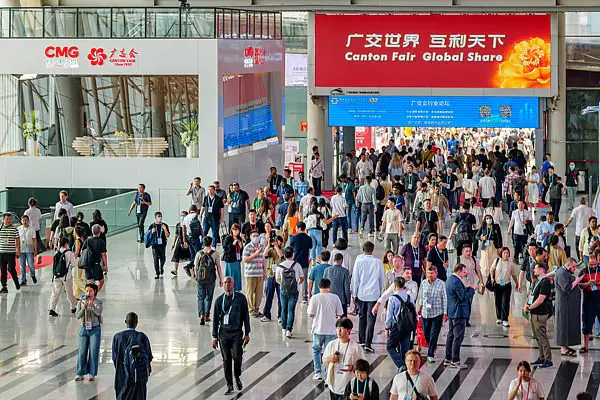
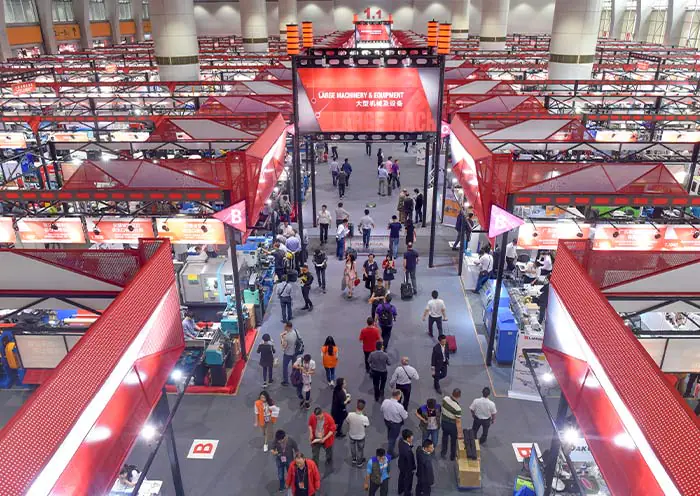
Even under tariff pressure, the Canton Fair remains a vital platform for buyers seeking solutions. With more than 25,000 exhibitors spread across three phases, it offers unparalleled variety and direct access to suppliers.
Here, buyers can compare not only prices, but also product quality, lead times, and delivery options—all in one place. This side-by-side evaluation helps identify the true cost and value of each offer.
Suppliers are also getting creative. Many now highlight tariff-friendly strategies, such as shifting production to Southeast Asia, using bonded warehouses, or offering logistics routes that minimize duties.
Beyond sourcing, the fair is an intelligence hub. Buyers can observe competitor strategies, spot emerging supply regions, and understand how suppliers adapt to policy shifts.
That’s why Canton Fair 2025 is more than just a trade show. It’s a platform to build resilient sourcing strategies in an increasingly high-tariff world.
Strategies to Navigate High Tariffs at Canton Fair 2025
Market Diversification
Relying on a single market is risky in 2025. High tariffs on U.S. imports, for example, have led to a 42% drop in Chinese electronics exports to the U.S. in May 2025 (China Briefing). Buyers can explore Latin America, Southeast Asia, or the Middle East. By diversifying, businesses reduce risk and open new revenue streams. At Canton Fair 2025, buyers can compare multiple suppliers targeting different regions side by side.
Quick Tip: Identify 2–3 alternative markets per product line and ask suppliers for region-specific pricing.
Negotiation Tactics with Suppliers
Smart negotiation is key to offset tariff impact. Discuss bulk discounts, flexible payment terms, or joint cost-sharing for duties. Some suppliers offer FOB/CIF options to help buyers better calculate landed costs. At the fair, face-to-face meetings make it easier to understand supplier capabilities and build trust, increasing leverage in price talks.
Supply Chain Optimization
Efficient logistics reduce the impact of tariffs. Options include bonded warehouses, regional fulfillment centers, or consolidated shipments. For bulky or heavy goods like furniture or machinery, smarter supply chains can cut costs by 5–15%. Canton Fair exhibitors often showcase ready-to-implement solutions, making it easier to plan cost-efficient routes.
Actionable Insight: Request real shipment scenarios from suppliers to simulate total landed cost including tariffs.
Leveraging Free Trade Agreements (FTAs)
FTAs can cut duties dramatically. Products eligible under RCEP or bilateral agreements can reduce import taxes by 5–15%, sometimes more. At the fair, suppliers frequently highlight FTA-compliant goods. This lets buyers directly compare options and calculate cost savings.
Practical Tip: Ask suppliers for FTA documentation and duty estimates per destination country.
Exploring Value-Added Services
Suppliers increasingly provide services that mitigate tariff impact. Examples include:
- Optimized packaging to reduce weight and volume
- Product customization for local compliance
- Drop-shipping to tariff-favored locations
These services not only cut costs but improve delivery speed and reliability. Canton Fair 2025 is ideal to explore these options firsthand and integrate them into your sourcing strategy.
Canton Fair 2025: Buyer Pitfalls to Avoid
1.Not Checking Supplier Credentials: Many buyers get tempted by low prices. But not all suppliers are reliable. Some may overstate production capacity or certifications. Always verify licenses, quality certificates, and past client reviews before placing large orders.
2. Ignoring Tariff Calculations: Failing to calculate landed cost including tariffs, shipping, and local taxes is a common mistake. A product may seem cheap on the booth, but the final cost could exceed your budget. Use clear CIF/FOB calculations to avoid surprises.
3. Overlooking Logistics and Lead Times: Some buyers only focus on unit price. But slow shipping or complex logistics can eat margins. Always ask suppliers about delivery time, shipping options, and customs clearance support.
4. Not Diversifying Suppliers: Relying on one supplier is risky, especially under high tariffs. A factory issue or policy change can disrupt your supply chain. Visit multiple booths and compare several suppliers per product line.
5. Missing On-Site Negotiation Opportunities: Many buyers postpone negotiation until after the fair. This wastes a chance to get better deals. Face-to-face discussions at Canton Fair 2025 allow you to clarify details, request discounts, and secure favorable terms immediately.
Conclusão
Canton Fair 2025 presents both challenges and opportunities. High tariffs, complex regulations, and rising costs make sourcing more demanding than ever. Yet buyers who plan strategically, diversify markets, optimize supply chains, and leverage FTAs can still secure cost-effective, high-quality products.
This is where sosourcing comes in. As a professional sourcing agent, we specialize in guiding international buyers through complex trade environments. From supplier verification and price negotiation to logistics planning and tariff management, our team provides end-to-end support. We help clients identify reliable suppliers, explore alternative markets, and implement strategies that maximize profit while minimizing risk.
FAQ
1. Where can I find the Canton Fair 2025 schedule?
The Canton Fair 2025 schedule is available on the official website. It includes exhibition hours, product categories per phase, seminars, and networking events to help buyers plan efficiently.
2. How do I register for Canton Fair 2025?
International buyers can register online via the official website or on-site. Early online registration speeds up entry and provides a digital badge for faster check-in.
3. What are the best Canton Fair hotels?
Popular choices near the venue include Shangri-La, White Swan Hotel, Le Meridien, and Langham Place. Early booking is recommended during Canton Fair 2025 due to high demand.
4. How can I attend or participate in Canton Fair 2025?
Attending the Canton Fair 2025 involves a few clear steps:
- Register Online: Create an account on the official Canton Fair website and complete the buyer registration form. Early registration speeds up entry.
- Receive Confirmation: You’ll get a digital badge or QR code for fast check-in at the venue.
- Plan Your Visit: Check the Canton Fair 2025 schedule to select the phases and product categories relevant to your business. Pre-book meetings with suppliers if possible.
- Prepare Documents: Bring your passport, company business card, and registration confirmation. Keep digital copies handy.
- Arrange Accommodation: Book Canton Fair hotels in advance for convenience. Consider proximity to the venue and shuttle options.
- On-Site Check-In: Scan your digital badge at the entry, collect the welcome kit, and pick up maps or guides.
- Start Visiting Exhibitors: Follow your planned schedule, attend seminars, and take notes on suppliers, pricing, and logistics.
5. What transportation options are available to the fair?
Guangzhou has efficient metro, taxi, and ride-hailing services. Some hotels provide shuttle buses directly to the exhibition center. Plan travel in advance to avoid peak-hour congestion.
6. How should I prepare for meetings with suppliers?
Prepare a clear list of product specifications, order volumes, target prices, and shipping requirements. This helps suppliers provide accurate quotes and shortens negotiation time.