Is Alibaba a scam? This is one of the most common questions asked by new importers who want to source products from China but feel uncertain about supplier reliability. The truth is simple: Alibaba is a legitimate global B2B platform, but like any large marketplace, it includes both trustworthy manufacturers and a small number of unreliable sellers. That’s why some buyers encounter quality issues, communication problems, or suspiciously low prices and worry they’re stepping into a risky deal.
In this guide, you’ll learn everything you need to navigate Alibaba with confidence. We’ll begin by explaining what Alibaba is, how the platform works, and whether it’s genuinely safe. Then we’ll break down the real risks buyers face, followed by 12 proven, practical tips that help you avoid fraud, verify suppliers properly, and make purchasing decisions safely.
What Is Alibaba?
Alibaba is a global B2B (business-to-business) marketplace that connects international buyers with manufacturers, wholesalers, and trading companies—primarily based in China. Unlike retail platforms where customers buy single items, Alibaba is designed for bulk purchasing, custom manufacturing, and long-term supplier relationships.
The platform allows buyers to source almost any type of product, compare suppliers, negotiate pricing, and place orders directly with factories. Many suppliers also offer OEM and ODM services, meaning they can customize products or create new designs according to a buyer’s requirements.
Alibaba’s business model is based on supplier memberships and value-added services. Sellers pay for badges like Gold Supplier or Verified Supplier, which indicate a basic level of authentication or third-party verification. Buyers, on the other hand, can use features such as Trade Assurance, a built-in protection program that helps safeguard payments and ensure product quality.
In short, Alibaba serves as a bridge between global buyers and the Asian manufacturing ecosystem, making it easier to find products, negotiate terms, and manage international sourcing.
Is Alibaba Legit?
Yes—Alibaba is a legitimate and globally recognized platform. It is part of the Alibaba Group, a publicly listed company with billions in annual revenue and strict compliance requirements. The platform itself is not a scam. Instead, it serves as a marketplace where thousands of real factories and trading companies conduct business every day.
However, because Alibaba is an open marketplace, the level of trust depends on the individual supplier you work with. Just like Amazon, eBay, or any large marketplace, not every seller is reliable. This is why some buyers wonder whether “Alibaba is a scam” after encountering issues such as delayed shipments, poor product quality, or unrealistic pricing.
The truth is this:
Alibaba is safe to use—but only if you know how to choose the right suppliers and follow proper sourcing practices.
Here’s why buyers sometimes feel uncertain:
- Extremely low prices may create suspicion of fake or low-quality goods.
- Inexperienced buyers may not know how to verify suppliers.
- Some sellers may misuse stock photos or exaggerate product capabilities.
- Scams do exist, but they are rare and typically avoidable with the right precautions.
To help reduce these risks, Alibaba offers security features such as Trade Assurance, secure payments, dispute resolution, and supplier verification programs. When used correctly, these tools provide strong protection for buyers.
In summary, Alibaba is a legitimate platform—but your safety depends largely on supplier vetting, transaction methods, and informed decision-making. The following sections will show you how to evaluate risks and use 12 proven tactics to buy safely.
Understanding Alibaba’s Risk Landscape
Before learning how to avoid alibaba scams, it’s important to understand where the risk actually comes from. Alibaba itself is not the source of the problem—individual suppliers are. Because Alibaba is an open B2B marketplace, sellers vary widely in experience, professionalism, and integrity. This creates a mixed environment: thousands of trustworthy manufacturers operate alongside a small number of unreliable or opportunistic sellers.
Below are the main risk factors buyers should be aware of.
Common Alibaba Scam Types
Although most transactions go smoothly, buyers may occasionally encounter the following issues:
- Fake or misleading product listings
Some suppliers use stock images or stolen photos, making products look better than they are. - Non-delivery scams
The seller accepts payment, then disappears or delays delivery indefinitely—usually happens when buyers pay outside Alibaba. - Quality inconsistency
Samples may look perfect, but the bulk order is cheaper, different, or poorly made. - Bait-and-switch pricing
Sellers advertise extremely low prices to attract attention, then dramatically increase the cost during negotiation. - Fake factories or forged documents
Some sellers claim to be manufacturers but are actually small brokers with no real production capacity.
High-Risk Signals Buyers Often Miss
Certain warning signs strongly increase the chance of disputes or scams:
- Prices that are unrealistically low
- Very new accounts with no reviews or transaction history
- Sellers pushing for payments off-platform through Western Union, bank transfer, or crypto
- Vague answers when asked for certifications, factory details, or inspection videos
- Product pages with inconsistent images or copied descriptions
Recognizing these signals early can prevent most costly mistakes.
12 Proven Tips to Avoid Fraud and Buy Safely
Navigating Alibaba is not difficult once you know what to look for. Most alibaba scams follow predictable patterns, many of which appear repeatedly in an alibaba scams list shared by experienced importers. The following 12 proven tips will help you identify trustworthy alibaba wholesale suppliers, avoid risky deals, and buy safely.
Tip 1: Work Only With Verified or Gold Suppliers
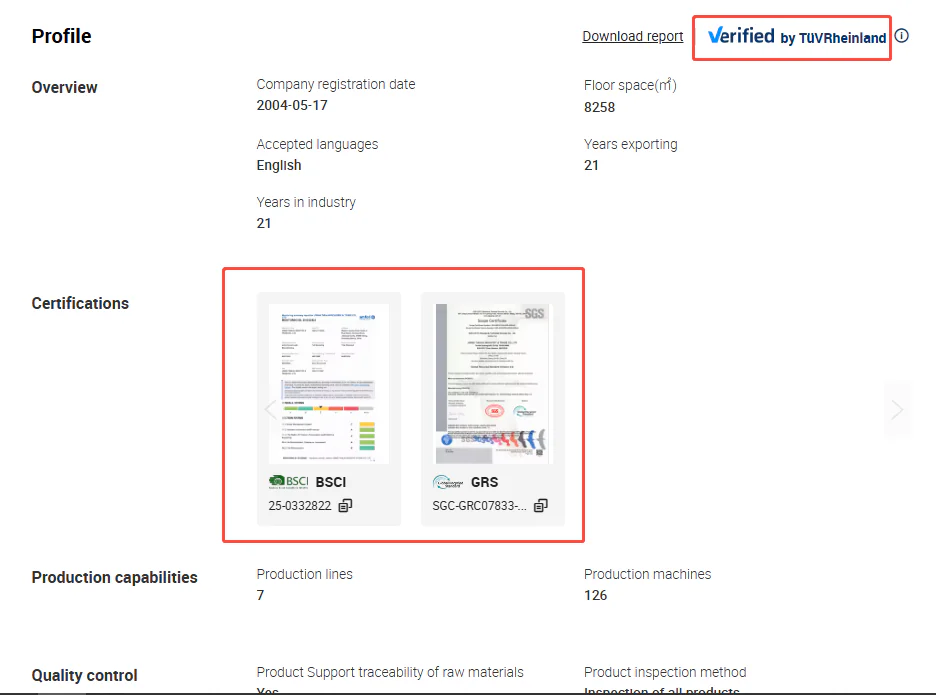
Always start by filtering suppliers using “Verified,” “Gold Supplier,” or “Assessed Supplier” badges. While these labels do not guarantee perfection, they signal a basic level of authentication and reduce exposure to unknown or unverified sellers—where most alibaba scams originate.
Tip 2: Review the Supplier’s Business Years and Core Focus
Reliable alibaba wholesale suppliers typically have several years of operating history and a focused product catalog. Avoid sellers offering unrelated categories (such as electronics and clothing together), as this is a common red flag. Consistency in their niche usually indicates real production capability.
Tip 3: Study Product Pages Carefully
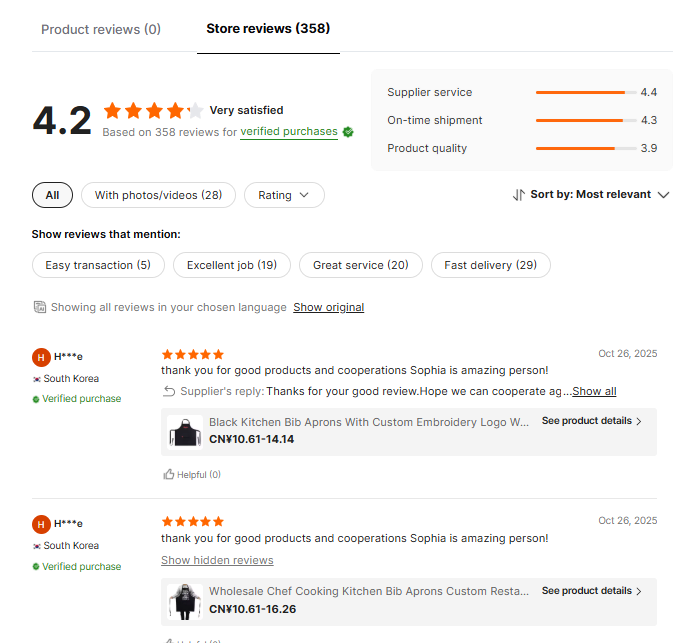
Look for complete descriptions, clear specifications, and original product photos. Listings with stolen images, unrealistic pricing, or missing technical details often appear in an alibaba scams list, signaling low-quality goods or deliberate deception.
Tip 4: Check Reviews, Ratings, and Transaction Histories
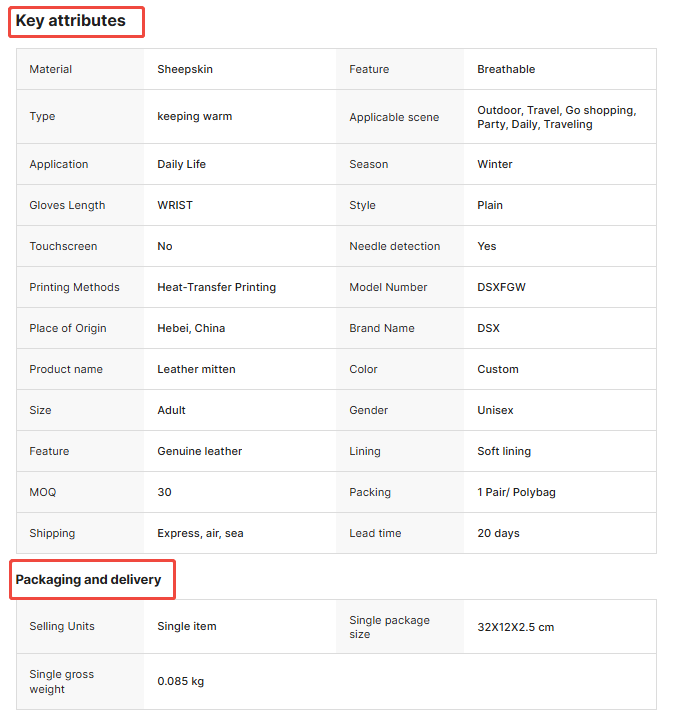
Go beyond star ratings. Read what buyers actually say about product quality, communication, and delivery. Low transaction volume or generic reviews like “Good seller” may indicate artificially inflated feedback. Patterns of unresolved disputes are also warning signs frequently tied to alibaba scams.
Tip 5: Always Use Alibaba Trade Assurance
Trade Assurance protects your payment, ensures delivery deadlines, and allows you to open a dispute if products differ from the agreed specifications. Most alibaba scams happen when buyers agree to pay outside the platform, especially via wire transfer or crypto. Staying within Trade Assurance is your strongest safety net.
Tip 6: Verify Factory Registration and Legal Documents
Request factory licenses, certificates, or testing reports. Real alibaba wholesale suppliers should have no difficulty providing such documentation. If a seller refuses or delays without reason, that’s a significant red flag.
Tip 7: Request Real-Time Factory or Warehouse Video Calls
A short video call can instantly reveal whether a supplier is legitimate. Ask them to show the production line, packaging area, or inventory shelves. Sellers who refuse or show inconsistent surroundings often appear in buyer-reported alibaba scams.
Tip 8: Order Samples Before Placing Any Bulk Purchase
Samples are your best tool for evaluating product quality and supplier professionalism. Always check build materials, functionality, packaging, and labeling. Differences between the sample and description are common signals listed in many alibaba scams list discussions.
Tip 9: Create a Detailed Purchase Contract
Your contract should clearly define product specifications, materials, dimensions, tolerance, packaging, testing standards, and delivery deadlines. A vague contract gives scammers room to deliver poor-quality goods while still claiming compliance.
Tip 10: Avoid Unrealistic Low Prices
If the price is far below market value, assume the deal is unsafe. Many alibaba scams lure new buyers with extremely low quotes, then deliver inferior goods or request additional fees later. Always compare prices across multiple credible alibaba wholesale suppliers to understand the true market range.
Tip 11: Use Third-Party Inspection Services Before Shipment
A third-party inspection (such as SGS, QIMA, or V-Trust) can identify defects before products leave the factory. Inspection reports help you avoid surprises like poor quality, missing items, or wrong materials—issues commonly associated with untrustworthy suppliers.
Tip 12: Start Small and Scale Up Gradually
Never place a large first order, no matter how good the supplier seems. Begin with a small batch to evaluate product quality, communication, professionalism, and delivery reliability. Once trust is established, you can safely increase order volume. This incremental approach is one of the most effective ways to avoid alibaba scams altogether.
ЧАСТО ЗАДАВАЕМЫЕ ВОПРОСЫ
How can I verify whether an Alibaba supplier is real or fake?
Start by checking business years, certifications, and on-site verification badges. Real alibaba wholesale suppliers can easily provide factory licenses, product certificates, and video proof. Scammers usually avoid detailed verification—this is one of the most common patterns seen in many alibaba scams list discussions.
Are Gold Suppliers always trustworthy?
Not necessarily. Gold Supplier status means the seller paid for membership, not that they are guaranteed reliable. It’s safer to check transaction history, recent reviews, and Trade Assurance. Use Gold Supplier as a filter—not a final decision.
What payment methods are safest when working with suppliers?
Alibaba Trade Assurance (credit card, PayPal, or online bank transfer) provides the strongest protection. Avoid paying via Western Union, cryptocurrency, or private bank accounts—many alibaba scams reported by buyers involve offline payments.
How do I protect myself from fake certifications?
Request high-resolution PDFs and verify certificate numbers on issuing-authority websites. Scammers often use Photoshop, so cross-checking is essential.
How do I evaluate a supplier’s communication and professionalism?
Look for quick, clear, and consistent responses. Reliable alibaba wholesale suppliers will answer technical questions in detail and provide documentation immediately. Slow or evasive replies may signal future problems.
Заключение
Alibaba is not a scam—but it is a marketplace where buyer awareness matters. By understanding the platform’s structure, recognizing common red flags, and following the 12 proven safety tips, you can avoid the pitfalls that many beginners face. Most problems stem not from Alibaba itself, but from choosing the wrong suppliers, skipping verification steps, or accepting deals that look “too good to be true.” With the right strategy, Alibaba can be one of the most powerful sourcing tools for your business.
However, if you want to reduce risks even further and avoid spending hours vetting suppliers, negotiating prices, and managing shipments on your own, working with a trusted sourcing partner can make the entire process easier and safer.
SoSourcing helps international buyers connect with verified factories, negotiate better terms, manage quality inspections, and handle logistics from start to finish. Whether you’re new to importing or scaling up your product line, SoSourcing provides professional support that minimizes risk and ensures a smoother sourcing experience.