In today’s global marketplace, finding the right purchasing agent can make or break your business success. Whether you’re sourcing products from overseas, managing supplier relationships, or negotiating better prices, a professional purchasing agent acts as your eyes and ears on the ground—saving you time, money, and endless headaches.
This guide walks you through everything you need to know about purchasing agents: what they do, how they work, where to find reliable ones, and how to choose the best fit for your business. If you’re serious about building a smooth and profitable supply chain, this is your ultimate roadmap.
What Is a Purchasing Agent?
A purchasing agent is the bridge between your business and your suppliers. Think of them as your trusted partner who handles everything from product sourcing to price negotiation and quality control. Their main job is simple but crucial — to help you buy the right products at the right price from the right supplier.
In many cases, purchasing agents work in global trade. For example, U.S. and European companies often hire purchasing agents in China, Vietnam, or India to manage factory sourcing and production follow-up. According to recent trade data, over 65% of small and medium importers now rely on third-party purchasing agents to reduce risk and improve efficiency.
Unlike random intermediaries, professional purchasing agents don’t just find suppliers — they evaluate factories, negotiate terms, handle inspections, and arrange shipping. They ensure the process runs smoothly from start to finish. This makes them an essential part of modern supply chains, especially for eCommerce sellers, retailers, and brand owners.
In short, a purchasing agent is your eyes, ears, and voice in the supply market. Whether you’re sourcing new products or optimizing existing supply lines, they help you make smarter decisions and save valuable time.

What Does a Purchasing Agent Do?
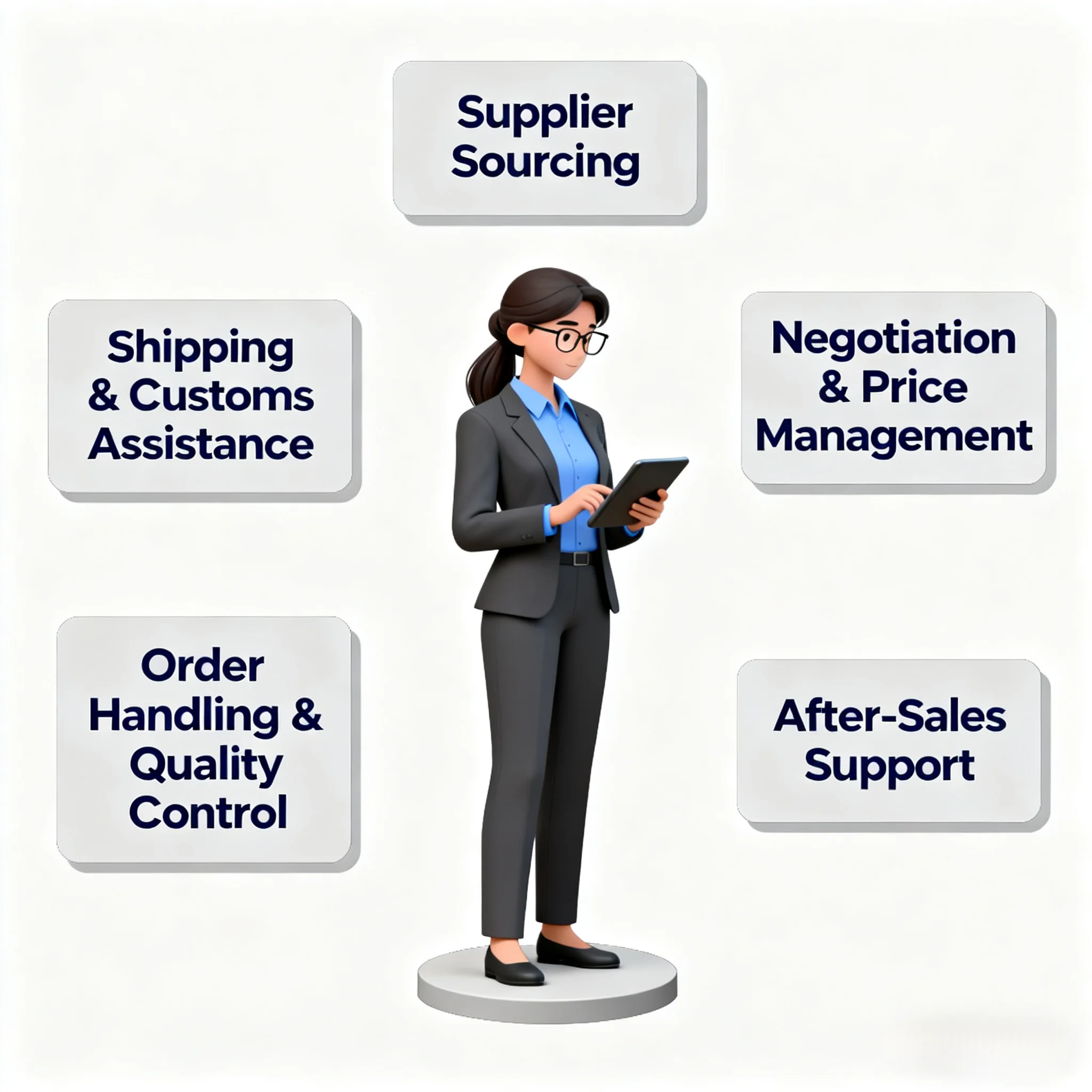
Now that you know what a purchasing agent is, let’s look at what they actually do on a daily basis. Their work goes far beyond finding suppliers — it’s a mix of strategy, communication, and quality control. Below are the key purchasing agent duties every business should understand.
1. Product Sourcing
The first and most important duty of a purchasing agent is product sourcing. They research and identify manufacturers who can produce your goods with the right quality and price. A skilled agent knows how to compare dozens of factories, check product catalogs, and verify production capabilities. They don’t just find suppliers — they find the right ones for your needs.
2. Supplier Evaluation and Negotiation
Before placing any order, purchasing agents evaluate suppliers based on their certifications, reputation, and capacity. They often request samples, visit factories, and compare quotes. Once the ideal supplier is selected, they negotiate prices, payment terms, and delivery schedules. Effective negotiation is one of the most valuable purchasing agent duties, helping you get better deals and avoid costly mistakes.
3. Order Management and Follow-up
After negotiation comes execution. Purchasing agents manage the entire ordering process — from issuing purchase orders to confirming production details. They stay in constant communication with suppliers to track timelines, handle changes, and ensure deadlines are met. This ongoing follow-up reduces delays and keeps your supply chain running smoothly.
4. Quality Inspection
A professional purchasing agent doesn’t stop once production starts. They arrange third-party or on-site inspections to ensure the products meet agreed specifications. Common checks include material quality, labeling accuracy, and packaging standards. By catching issues early, agents help prevent defective shipments and protect your brand reputation.
5. Logistics and Shipping Coordination
Finally, purchasing agents coordinate shipping. They compare freight options, prepare export documents, and track delivery until your goods arrive safely. Many agents also help with customs clearance, ensuring compliance with import regulations. This makes global sourcing far less stressful for business owners.
In short, the purchasing agent duties cover every step from sourcing to shipping. A reliable agent acts as your extended arm in the supply chain, ensuring you get the best products at the best price — without the headache of managing every detail yourself.
Purchasing Agent vs. Sourcing Company
At first glance, a purchasing agent and a sourcing company might sound the same. Both help you find suppliers and buy products from overseas markets. But in reality, they serve different purposes and operate at different levels. Understanding these differences will help you choose the right partner for your business.
Core Differences Between a Purchasing Agent and a Sourcing Company
| Aspect | Purchasing Agent | Sourcing Company |
|---|---|---|
| Business Scale | Usually an individual or small team working independently | Operates as a larger organization with multiple departments |
| Service Scope | Focuses on one-on-one sourcing, negotiation, and order management | Offers full-chain services including sourcing, factory audits, branding, and logistics |
| Flexibility | Highly flexible, can quickly adapt to buyer’s specific needs | More structured, follows standard procedures and company policies |
| Cost Structure | Lower service fees, often commission-based | Higher costs due to more complex service packages |
| Communication | Direct and personal communication with the agent | Communication through company representatives or project managers |
| Лучшее для | Small and medium importers, Amazon sellers, startups | Large enterprises or businesses sourcing multiple product categories |
As you can see, a purchasing agent provides a more personal and flexible service, ideal for small businesses that need close communication and customized support. In contrast, a sourcing company is better suited for large-scale buyers that require structured processes and broader supply chain coverage.
How to Choose Between Them?
Choosing between a purchasing agent and a sourcing company depends on your goals, budget, and business size.
- ✅ Choose a purchasing agent if you value direct communication, personalized support, and fast response. They’re ideal for small-volume orders, testing new products, or building relationships with suppliers.
- ✅ Choose a sourcing company if you need an end-to-end solution — from product development to shipping — or if your business involves multiple product lines and complex compliance requirements.
In short, the right choice isn’t about which one is “better,” but which one fits your business stage and sourcing strategy. Understanding the roles of both will help you build a more efficient and reliable global supply chain.
SoSourcing is a professional procurement agency with a renowned and reliable procurement team that can efficiently source suitable products for you.
Why Your Business Might Need a Purchasing Agent?
Hiring a purchasing agent isn’t just about convenience — it’s about making your business smarter and more efficient. If you’ve ever struggled with overseas suppliers, unclear communication, or quality issues, a purchasing agent could be the missing piece that simplifies your sourcing process and saves you money.
Save Time and Communication Costs
Working directly with foreign suppliers can be time-consuming and frustrating. Different time zones, language barriers, and slow responses can delay production and create misunderstandings. A purchasing agent bridges this gap. They communicate with factories in real time, translate requirements clearly, and make sure nothing gets lost in translation.
According to a 2024 importers’ survey, over 70% of small businesses said they saved at least 20 hours per week after hiring a local purchasing agent. That’s valuable time you can reinvest into growing your business.
Reduce Risks
Sourcing from overseas can feel risky — especially when you’re dealing with unfamiliar suppliers. Fake companies, poor-quality goods, or hidden fees can easily damage your profits and reputation. A purchasing agent helps you verify suppliers, conduct factory audits, and monitor production.
They act as your safeguard on the ground. By handling inspections and verifying compliance, they significantly lower the chance of costly mistakes. In short, a reliable purchasing agent means fewer surprises and more peace of mind.
Get Better Prices and Supplier Resources
One of the biggest advantages of using a purchasing agent is access to better prices. Because they work closely with local suppliers and understand the market, they can negotiate better deals than most foreign buyers can on their own.
They also have an extensive network of verified factories — meaning you get more options, better quotes, and faster turnaround times. Whether you’re sourcing in China, Vietnam, or India, the right agent can help you cut costs by 10–30% without compromising quality.
Quality Monitoring and Greater Supply Chain Transparency
When you work remotely, keeping track of product quality is challenging. A purchasing agent provides continuous monitoring, from material selection to final packaging. They send regular updates, photos, and inspection reports so you always know what’s happening on the factory floor.
This not only ensures consistent quality but also improves transparency in your entire supply chain. With a trustworthy agent managing production locally, you stay in control — without being physically there.
In today’s fast-moving global trade environment, having a purchasing agent isn’t a luxury — it’s a smart investment. They save you time, reduce risk, and strengthen your competitive edge in the international market.
How to Find a Reliable Purchasing Agent?
Finding a reliable purchasing agent can make or break your sourcing success. The right agent can help you cut costs and avoid problems — but the wrong one might waste time or even damage your business. Here’s how to identify trustworthy agents and verify who truly deserves your trust.
Key Evaluation Factors
Choosing the right purchasing agent starts with knowing what to look for. Here are five key criteria every buyer should evaluate:
| Фактор | What to Check | Why It Matters |
|---|---|---|
| Industry Experience & Product Expertise | Look for agents familiar with your product category (e.g., electronics, furniture, apparel). | Experienced agents understand production details and common quality issues. |
| Communication Skills & Transparency | Assess their responsiveness, clarity, and willingness to share updates. | Clear communication reduces misunderstandings and ensures smoother cooperation. |
| Inspection & Quality Control Process | Ask how they handle pre-production, in-line, and final inspections. | A professional process ensures product quality and consistency. |
| Pricing & Fee Structure | Request a breakdown of service fees, commissions, or hidden costs. | Transparent pricing builds trust and helps you avoid extra charges. |
| Client Cases & Reputation | Check their website, client testimonials, or case studies. | Positive feedback is a strong indicator of reliability and performance. |
Research Channels
You don’t have to search blindly. Reliable purchasing agents often show up in places where real buyers gather. Start with these proven channels:
- 🌍 Google Search: Use keywords like “China purchasing agent for [your product]” or “best sourcing agent in Asia.”
- 💼 LinkedIn: Many professional agents post sourcing tips or share client success stories.
- 🛒 Alibaba: Some purchasing agents partner directly with manufacturers; check their background before contacting.
- 🎪 Торговые выставки: Canton Fair, Global Sources, or regional expos are great for meeting agents face-to-face.
- 💬 Community Recommendations: Look for discussions on Reddit, Facebook Groups, or industry forums. Real importer feedback is often the most honest review you can get.
By diversifying your research channels, you increase the chance of finding an agent who truly matches your business needs.

Verification and Background Check
Before signing anything, take time to verify who you’re working with. Many so-called “agents” are actually middlemen or freelancers with little experience. Proper purchasing agent verification helps you avoid scams and commission traps.
Here’s a simple checklist to follow:
- ✅ Check Company Registration: Ask for a business license or official company number. Verify it through local government databases if possible.
- 🧾 Request Sample Orders: Test their ability to communicate, source, and manage a small batch before committing.
- 🎥 Conduct a Video Meeting: A quick call reveals a lot — professionalism, communication skills, and even office environment.
- ⚠️ Watch for Red Flags: Be cautious if they refuse video calls, provide vague pricing, or insist on large deposits upfront.
A trustworthy agent will welcome your due diligence. The best ones are confident in their credibility and happy to prove it.
Finding a reliable purchasing agent takes time, but it’s worth every minute. Careful vetting helps you build a long-term partnership that protects your investment and strengthens your supply chain.
Purchasing Agent Fees & Cost Structure
Before hiring a purchasing agent, it’s important to understand how their pricing works. Not all agents charge the same way — and the cheapest option isn’t always the best. A clear understanding of purchasing agent fees will help you budget accurately and avoid unpleasant surprises later.
Common Pricing Models
Different agents use different pricing structures depending on the scale of your order and the type of service. Below are the most common purchasing agent cost models you’ll encounter:
| Pricing Model | How It Works | When It’s Best |
|---|---|---|
| Commission-Based (5%–10%) | The agent charges a percentage of the total purchasing amount. For example, if your order is $10,000, a 5% fee equals $500. | Ideal for one-time or project-based sourcing tasks. Common among small and medium importers. |
| Fixed Project Fee | A flat rate for a specific project, regardless of the order amount. | Suitable for clearly defined projects or custom product sourcing. |
| Monthly Retainer (Dedicated Sourcing) | You pay a set monthly fee for ongoing support, including supplier management and quality control. | Best for long-term cooperation or continuous sourcing needs. |
| Zero Service Fee (Supplier Margin Model) | The agent claims to be “free” but earns from the supplier’s side, often by marking up product prices. | Be cautious — this model may hide conflicts of interest. Transparency is key. |
How to Compare Quotes?
Comparing purchasing agent fees isn’t just about who’s cheaper — it’s about who’s more transparent and results-driven. A trustworthy agent will tell you exactly what you’re paying for and how it benefits your business.
Here’s what to focus on when evaluating quotes:
- 💬 Transparency: Ask for a detailed fee breakdown. Does it include communication, inspection, and logistics support? If not, clarify potential extra charges.
- 📈 Performance-Based Value: Evaluate the results they promise — better pricing, faster delivery, or improved quality. The lowest fee doesn’t always mean the best outcome.
- ⚠️ Hidden Costs: Watch out for agents who receive kickbacks or raise supplier quotes without disclosure. This is one of the most common sourcing pitfalls.
- 📄 Written Agreement: Always confirm fees in a written contract. This protects both sides and avoids future disputes.
When you compare based on transparency and performance — not just price — you’ll find agents who genuinely align with your goals.
In short, understanding the purchasing agent cost structure helps you make smarter sourcing decisions. Clear pricing builds trust, ensures fairness, and sets the foundation for long-term cooperation.
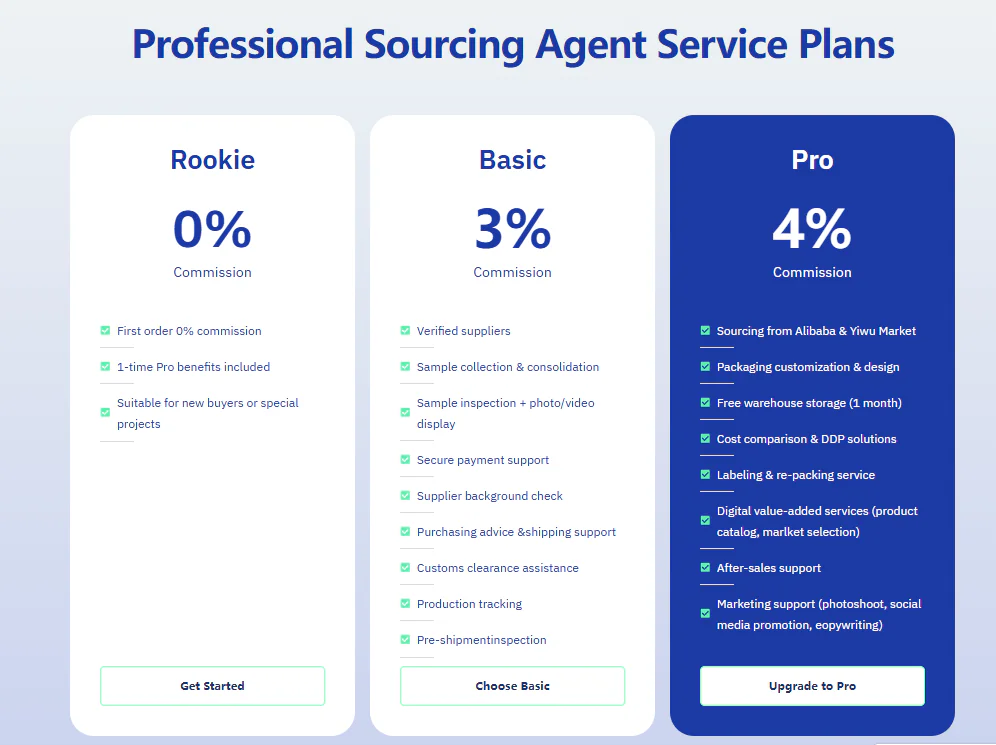
SoSourcing offer a clear and transparent fee structure, and for first-time clients, we introduce a zero-commission model—absolutely genuine! Absolutely reliable!

How to Work with a Purchasing Agent Effectively?
Working with a purchasing agent can streamline your sourcing process — but only if you do it right. Clear communication, well-defined requirements, and structured processes are key to maximizing value. Here’s a practical guide to working effectively with your agent.
Define Your Purchasing Requirements
Start by clearly specifying your product needs. Include:
- Product specifications (size, material, features)
- Target price range
- Desired delivery schedule
Providing detailed requirements prevents misunderstandings and ensures your agent can find the right suppliers efficiently. According to a survey of importers, businesses that provide clear specs reduce order revisions by over 30%.
Communication & Project Management Tools
Effective collaboration relies on smooth communication. Use tools like:
| Tool | Purpose |
|---|---|
| Formal documentation and updates | |
| WhatsApp / WeChat | Quick questions and immediate responses |
| ERP / Google Sheets | Tracking orders, inventory, and timelines |
| Trello / Asana | Visual project management and task assignment |
Regular updates and clear channels keep everyone on the same page and reduce delays.
Sample Confirmation & Approval Process
Always request samples before bulk production. Your agent should:
- Coordinate sample production
- Share detailed photos or videos
- Track your approval decisions
This step ensures the product meets your expectations and avoids costly production errors.
Quality Inspection & Feedback Mechanism
Quality control is crucial. A reliable purchasing agent will:
- Conduct pre-production, in-line, and final inspections
- Provide inspection reports with photos or videos
- Actively address any defects or issues
Consistent feedback loops improve product quality and supplier accountability.
Payment Terms & Contract Recommendations
Agree on payment methods and contract terms upfront. Tips include:
- Use escrow, T/T, or Letter of Credit for safety
- Clearly define delivery terms, penalties, and responsibilities
- Confirm fee structures and commissions in writing
A well-structured contract protects both parties and reduces disputes.
Tips for Building a Long-Term Partnership
Long-term collaboration brings stability and cost savings. Consider:
- Regular performance reviews and feedback
- Offering larger orders or long-term contracts for loyalty
- Open communication and trust-building practices
Agents who understand your business will negotiate better deals and proactively solve issues.
Working effectively with a purchasing agent ensures smoother sourcing, better product quality, and stronger supplier relationships. With clear requirements, structured processes, and mutual trust, you’ll maximize the benefits of their expertise.

Common Mistakes to Avoid When Using a Purchasing Agent
Even the best purchasing agents can’t fix mistakes that stem from the buyer’s side. Avoiding common pitfalls ensures smoother cooperation and better results. Here are the most frequent errors and how to prevent them.
1. Blindly Trusting a Single Agent
Relying on just one agent without verification can be risky. Not all agents have the same level of experience or integrity. Always research multiple candidates, check references, and ask for previous client examples. Studies show that over 25% of new importers encounter issues due to insufficient vetting.
2. Focusing Only on Price
Low fees are attractive, but the cheapest option isn’t always the best. Some agents cut corners on quality or use hidden supplier markups. Instead, evaluate the agent based on transparency, service quality, and track record.
3. Neglecting Contracts and Written Agreements
Many buyers make the mistake of relying on verbal agreements. Without a clear contract, disputes over payment, delivery, or quality can arise. Always confirm responsibilities, fees, and deadlines in writing before starting a project.
4. Ignoring Sample Checks
Skipping product samples is a common and costly error. Even a small oversight can lead to bulk production issues. Work with your agent to review samples thoroughly, approve specifications, and document any required changes.
5. Poor Communication
Delayed or unclear communication often causes missed deadlines and mistakes. Maintain regular updates via email, WhatsApp, or project management tools. Clear communication ensures your purchasing agent stays aligned with your expectations.
6. Overlooking Long-Term Relationship Building
Treating the agent as a short-term hire rather than a strategic partner can limit your benefits. Building trust and providing feedback improves performance, opens access to better suppliers, and can lower costs over time.
By avoiding these mistakes, you’ll maximize the value of your purchasing agent. Smooth communication, thorough vetting, and proper contracts lead to better products, timely delivery, and a more reliable supply chain.
ЧАСТО ЗАДАВАЕМЫЕ ВОПРОСЫ
What is a purchasing agent?
A purchasing agent is a professional who helps businesses source products, negotiate prices, and manage supplier relationships. They act as a bridge between buyers and manufacturers, ensuring smooth transactions and high-quality products.
What are the key purchasing agent duties?
Purchasing agent duties include: product sourcing, supplier verification, price negotiation, quality control, logistics coordination, and ongoing communication. These tasks help businesses avoid errors and improve efficiency when sourcing internationally.
Can a purchasing agent handle multiple product categories?
Yes, experienced agents often manage various categories, but some specialize in one industry. Define your needs upfront to ensure they have relevant expertise.
How is a purchasing agent different from a buyer?
A purchasing agent vs buyer distinction lies in scope. Buyers typically work in-house and focus on company procurement needs. Purchasing agents are often external or third-party professionals, managing multiple suppliers and projects on behalf of clients.
What are the benefits of using a China purchasing agent?
A China purchasing agent helps international buyers navigate local suppliers, language barriers, and quality standards. They can source competitively priced products, perform factory audits, and manage shipping — making Chinese sourcing safer and more efficient.
Заключение
A purchasing agent can be a game-changer for businesses looking to source products efficiently and safely. From product sourcing and supplier negotiation to quality control and logistics, their expertise saves time, reduces risks, and often lowers costs. Choosing the right agent, understanding their purchasing agent duties, and building a strong working relationship ensures smooth operations and better results. Whether you’re a small importer or a growing brand, leveraging a reliable purchasing agent helps you navigate global markets with confidence and success.