1. Introduction
Temu’s rapid rise has been hard to ignore. With unbelievably low prices and a seemingly infinite selection of goods, the platform quickly captured global attention. However, when clicking “buy,” many consumers have one pressing question: Where exactly is my package coming from? This curiosity often centers on shipping times, customs, and how the company achieves such low prices.
Where is Temu warehouse located?
Simply put, Temu does not operate traditional, centralized storage warehouses in the US, Europe, or any major market. They utilize a unique Direct-to-Consumer (D2C) fulfillment model. Your order doesn’t wait in a Temu-owned inventory; it’s packed by one of thousands of suppliers located primarily in Mainland China, consolidated at an international sorting center, and then shipped directly to your country.
In this guide, we will break down Temu’s unique logistics model, revealing the supply chain secrets behind the ultra-low prices. Read on to understand the real journey of your package and what determines your expected delivery time.
2. Temu’s Logistics: Why the Direct-to-Consumer (D2C) Model Eliminates Warehouses
2.1. Direct-from-Manufacturer Fulfillment: The Core Concept
The fundamental difference between Temu and traditional Western retailers like Amazon FBA or Walmart is the elimination of intermediary steps. Temu’s core principle is Direct-from-Manufacturer Fulfillment.
- Cutting the Middlemen: Goods move straight from the factory floor to the customer, completely bypassing distributors, wholesalers, and crucially, expensive foreign warehouses.
- Virtual vs. Physical Inventory: Temu essentially operates on a virtual inventory model. They sell what their suppliers currently possess, rather than owning and holding costly physical stock in warehouses near the consumer. This massive reduction in inventory holding costs is a primary driver of the low retail price.
2.2. Consolidation Hubs vs. Inventory Warehouses
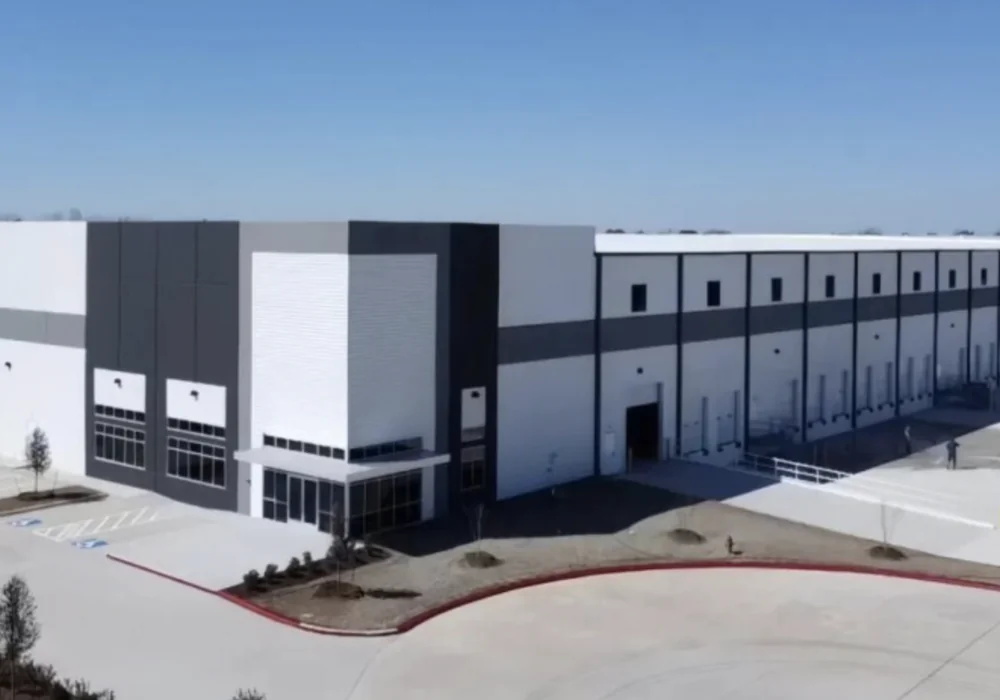
When observers ask about Temu’s “warehouses,” they are often mistaking Temu’s Consolidation Hubs (or International Sorting Centers) for traditional storage facilities.
- No Storage, Only Sorting: These hubs do not hold long-term inventory for sale. Their sole function is logistics efficiency: they receive hundreds of small, individually packed orders from numerous separate suppliers and combine them (or consolidate them) into large bulk shipments, and organize them for international air or sea freight.
- Cost Efficiency: Consolidating thousands of packages into a single shipment dramatically lowers the cost per unit for international transport, a critical factor in enabling cheap global shipping.
Model Comparison: Temu vs. Traditional Retail
The table below summarizes the technical difference between Temu’s strategy and the standard model (like Amazon FBA), highlighting why Temu avoids traditional warehouse costs:
| Característica | Temu (D2C Fulfillment Model) | Traditional E-commerce (e.g., Amazon FBA) |
| Inventory Storage Location | Supplier’s Factory (Mainland China) | Central Warehouse (US/Europe) |
| Inventory Type | Virtual Inventory / Made-to-Order | Physical Inventory / Pre-stocked |
| Primary Cost Driver | International Shipping Volume / Production | Warehouse Operation / Last-Mile Delivery |
| Core Logistics Step | International Package Consolidation & Sorting | Domestic Package Storage & Dispatch |
| Shipping Time | Longer (Typically 7–15 days) | Shorter (1–3 days) |
3. Where Your Temu Order Starts: Origin Points and Consolidation Hubs
3.1. The Primary Origin (Asia’s Manufacturing Clusters)
The vast majority of Temu orders begin their journey not in the US, but in Mainland China. Specifically, orders originate from suppliers located in the country’s major manufacturing and export clusters.
- Key Origin Cities: The coastal regions, particularly near major export hubs like Guangzhou, Shenzhen, and Yiwu, are the primary starting points for Temu’s extensive network of suppliers.
- Significance: This confirms that the long shipping times are inherent to the international nature of the fulfillment process.
3.2. International Sorting and Processing Centers
Before individual packages begin the long international flight, they are consolidated.
- Consolidation Stage: Packages are routed from the various suppliers to large International Sorting and Processing Centers within China.
- Función: These centers are essential for logistics efficiency, grouping thousands of separate orders into large, economical air cargo shipments. Common logistical hubs for this stage include facilities near major international airports or key border crossings (like those near Hong Kong).
3.3. Destination Hubs (The Last Mile)
Once the bulk cargo arrives in the destination country, the handover occurs.
- Entry Points: In the United States, Europe, or other markets, the goods first enter major import checkpoints such as the International Mail Processing Centers (ISC) or customs facilities.
- The Final Step: From there, packages are transferred to the sorting facilities of contracted local carriers (such as USPS, FedEx, or DHL). These local facilities handle the “last mile” delivery to your door, but they are the property of the postal service or carrier—not Temu’s own storage warehouses.
4. Customer Experience: What Temu’s Logistics Model Means for Your Delivery Time
4.1. The Reality of Shipping Time Variability
The most immediate impact of the D2C model on the customer is the variable delivery time, typically ranging from 7 to 15 days.
- Transit Time Explained: This delay is inherent to the international nature of the fulfillment. Because goods travel from China, they require time for consolidation, international air freight, and subsequent customs clearance—all processes that add days compared to domestic shipping.
- Standard vs. Express: The distinction between Standard Shipping and Express Shipping often reflects the priority of the air freight path and whether the order skips certain consolidation steps. The higher fee for Express typically guarantees a faster path through the logistics network, not necessarily faster processing by the supplier.
4.2. Customs, Imports, and the De Minimis Advantage
Orders shipping directly from a foreign supplier must clear customs, which can occasionally be a source of unpredictable delays beyond Temu’s control.
- Customs Clearance: Every international package undergoes inspection, which can prolong the overall delivery window.
- The De Minimis Rule: For the US market, Temu benefits significantly from the De Minimis rule. This regulation allows goods valued under $800 to enter the country duty-free and with minimal customs paperwork. This regulatory advantage is crucial to keeping Temu’s import costs extremely low, allowing them to pass those savings directly to the consumer.
5. Frequently Asked Questions (FAQs)
Does Temu Ship From the US?
No. Temu packages ship internationally from its supplier network in China. Once packages clear customs upon arrival in the US, they are handed over to local carrier partners (such as USPS or FedEx) for the final leg of delivery.
Why is Temu Shipping So Cheap?
The ultra-low shipping cost stems from two core elements of the D2C model: bypassing middlemen (manufacturer pricing) and utilizing mass package consolidation. Combining thousands of individual orders into large bulk shipments drastically reduces the per-unit shipping fee.
How Long Does Temu Take to Ship from China?
The standard delivery window for Temu orders is typically 7 to 15 days. While efficient, the reliance on international shipping and customs clearance means delivery times are inherently longer and less predictable than domestic shipping options.
What is Temu’s return policy, given the international distance?
Temu offers a generous return window (generally 90 days for most items). Crucially, Temu typically does no require the customer to ship the item all the way back to China. They usually provide a prepaid domestic return label to a local facility or, for low-value items, may simply issue a refund without requiring the item to be returned at all.
Do I have to pay import taxes or customs fees on my Temu order?
For the US market, generally no. This is due to the De Minimis rule, which allows orders valued under $800 to enter duty-free. For other markets (like the EU), Temu typically includes any applicable VAT/import fees in the final price displayed at checkout, preventing unexpected charges upon delivery.
What does “Package has left the origin country” mean on Temu tracking?
This signifies a major checkpoint. It means your package has successfully cleared the export customs in China and has been handed over to the international air carrier. This is often the longest phase of the waiting process, as the package is physically en route to your country’s customs checkpoint.
6. Conclusion
To revisit our central question—Where is Temu’s warehouse located?—the final takeaway is that the location is decentralized by design. This unique logistics structure is Temu’s greatest strategic advantage, defining the platform’s ability to compete on price. By operating without the massive overhead of traditional, stocked warehouses, Temu instead leverages a vast, decentralized supplier network and efficient international sorting hubs. The low prices that consumers enjoy are directly exchanged for the longer shipping times, solidifying a clear and sustainable trade-off between cost and speed in the global marketplace.
Final Note for Sellers: Supplier Sourcing (Sosourcing)
Sosourcing possesses extensive experience in successfully connecting with and supporting sellers on the Temu platform.
If you are looking for:
- Wholesale Purchasing: Sourcing high-quality, reliable products that meet Temu’s supply standards.
- Agency/Sourcing Services: Optimizing your supply chain logistics or navigating complex international consolidation processes.
We invite you to contact us to learn how Sosourcing can enhance your operational efficiency and competitive edge on the Temu platform.
Para más estrategias de fabricación, consulte