
China Wholesale Market Guide for Global Buyers
Explore China’s major wholesale markets by product category, sourcing strengths, and buying strategies—whether you’re a retailer, e-commerce seller, or wholesale importer.
Why Source from China Wholesale Markets?
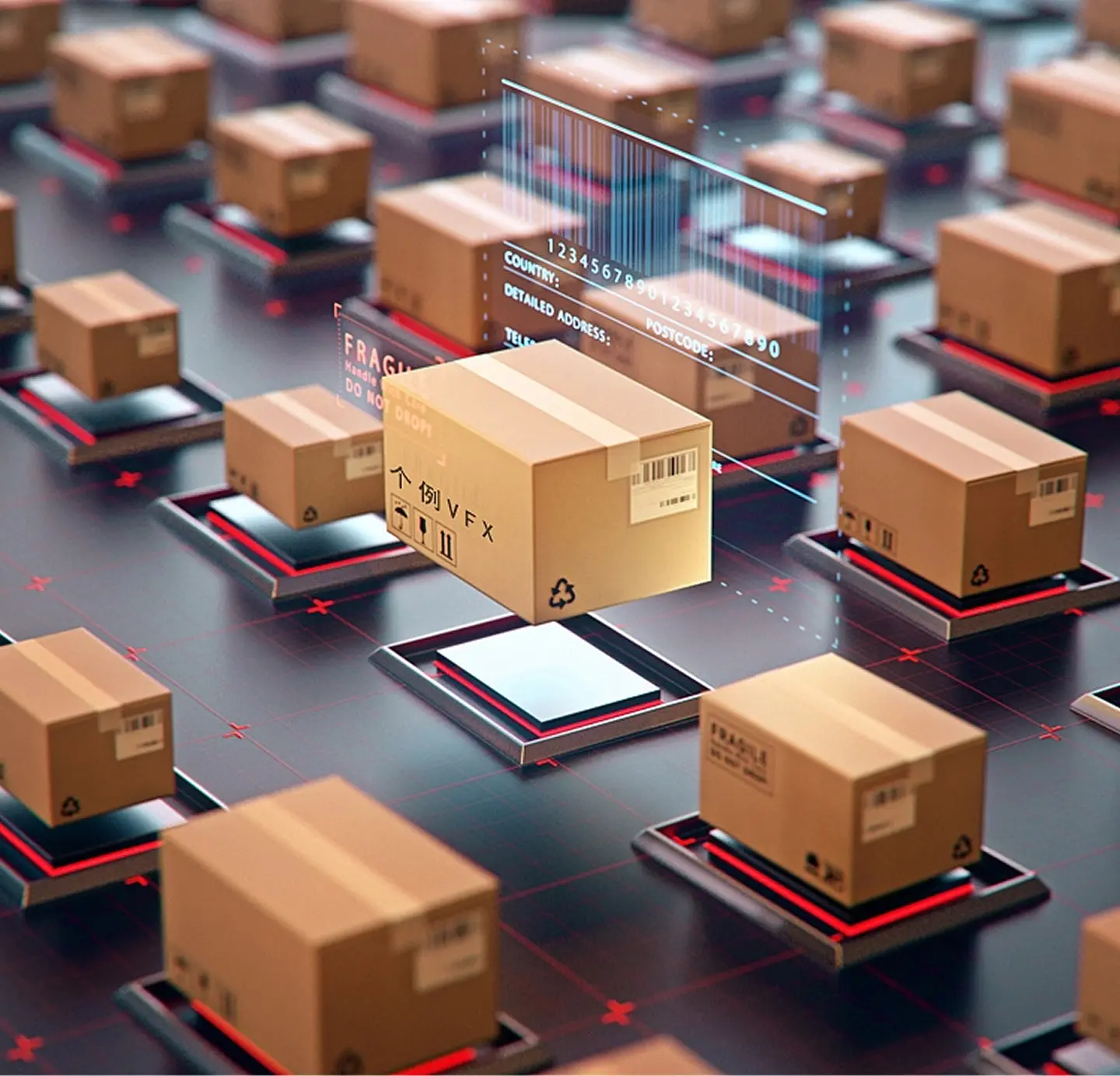
Global Manufacturing Hub
China wholesale markets are the frontline of the world’s most complete manufacturing system, linking global buyers to a nationwide production network across multiple industries.
Concentrated Supply Power
Major wholesale markets centralize massive, category-specific supply, allowing buyers to access deep and specialized sourcing ecosystems rather than fragmented suppliers.
Structural Cost Advantage
China’s pricing strength is built on scale, efficiency, and infrastructure maturity. Wholesale markets reflect this long-term cost advantage through stable and competitive supply.
Industrial Cluster Support
These markets are backed by regional industrial clusters, not isolated factories, ensuring resilience, capacity stability, and rapid response to market changes.
High Market Velocity
Fast product cycles and frequent updates enable wholesale markets to adapt quickly to global demand and evolving trends.
Trade-Driven Ecosystem
Decades of export-oriented development have made China’s wholesale markets inherently aligned with international trade standards and global buyers’ expectations.
Scalable Market Access
China wholesale markets offer a practical and scalable entry into China’s supply chain—supporting everything from market testing to large-scal
Top Chinese Wholesale Market

Yiwu Wholesale Market
One of the world’s largest small commodity hubs, ideal for mixed SKU and low MOQ buyers. Fast product updates and wide variety make it ideal for trend-driven sourcing.

Guangzhou Wholesale Market
Fashion, apparel, footwear, bags, textiles — Guangzhou is Asia’s top fashion wholesale hub with deep supplier networks and scalable bulk pricing.

Shantou Toys Markets
China’s most concentrated toy sourcing region, specializing in plastic toys, educational toys, and OEM/ODM production.

Foshan Furniture Market
A major furniture sourcing center covering sofas, dining, and home furnishings, with strong factory support and customization options.

Shenzhen Electronics Markets
A global center for electronics sourcing, offering consumer electronics, components, and smart devices with rapid product iteration.

Fujian Wholesale Market
A world-class hub for light industry and manufacturing, offering premium footwear, apparel, stone materials, and tea with deep factory-direct supply chains and export-grade quality.
How Sosourcing Helps You Source from China Markets?
Local Market Guidance
Expert on-site support to navigate markets, identify reliable suppliers, and streamline your sourcing journey.
Supplier Verification & Negotiation
We verify suppliers, secure favorable pricing, and handle MOQ and communication, reducing risk and saving time.
Quality & Consolidation
Professional inspections and multi-supplier consolidation ensure consistent quality and simplified logistics.
Global Shipping
Full export management, from customs to global delivery, optimizing cost and ensuring safe, timely shipment.
Frequently Asked Questions
What is the largest wholesale market in China?
Yiwu International Trade Market is the world’s largest small commodities hub. Other specialized markets include Guangzhou (fashion), Shenzhen (electronics), Foshan (furniture), and Shantou (toys).
How to find reliable suppliers in China wholesale markets?
Use market guides, sourcing agents, or on-site visits to screen suppliers by reputation, production capacity, and export readiness.
How are China wholesale markets different from online platforms like 1688?
Wholesale markets offer physical inspection, face‑to‑face negotiation, immediate price comparison, and broad product visibility across suppliers, whereas online platforms may lack real‑time pricing accuracy and on‑site assessment.
What payment methods are accepted at China wholesale markets?
Domestic suppliers often require RMB payment via Alipay or WeChat Pay. International buyers may need a sourcing agent to handle payments on their behalf using PayPal, bank transfer, or other global payment options.
How can a sourcing agent help during a market visit?
A sourcing agent assists with translation, supplier identification, negotiation support, on‑site coordination, quality checks, and follow‑up, saving time and reducing misunderstandings.
How do I start sourcing from China wholesale markets?
Begin by defining product needs, visiting market guides online, or contacting a local sourcing partner. Share product requirements, and an agent can help plan visits, supplier shortlists, negotiation strategies, and logistics.