Choosing between Alibaba vs AliExpress is one of the most important decisions for any e-commerce seller aiming to maximize profit margins. Although both platforms belong to the Alibaba Group, they operate under entirely different business models, pricing structures, and supply chain expectations. Understanding how each platform influences cost, risk, and scalability is essential for building a sustainable online business. This article breaks down the real cost drivers behind profit margins, compares both platforms in a structured and data-driven way, and provides a practical framework to help seller identify which platform is best aligned with their goals.
Platform Overview: Alibaba vs AliExpress
AliExpress: A Global Retail Platform
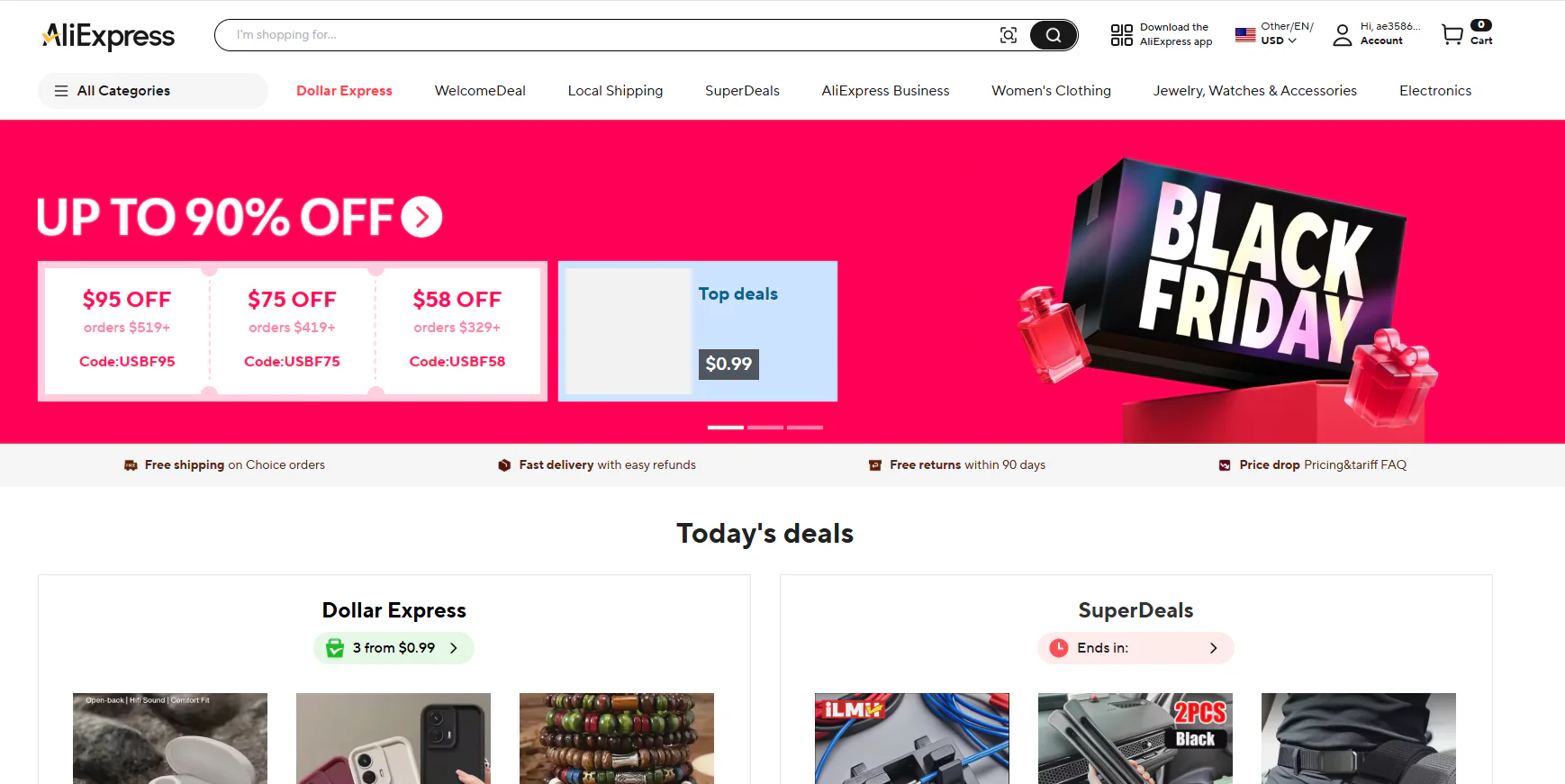
AliExpress is designed for international consumers, offering single-unit purchases without any minimum order quantity (MOQ). Products are listed at retail prices, and the platform follows a fast-fulfillment retail model.
It is commonly used by small dropshippers, new sellers testing products, and buyers who need quick, low-risk orders.
Key traits:
- No MOQ; buyers can order one unit at a time
- Retail pricing
- Fast global shipping
- Ideal for dropshipping and small-scale testing
Alibaba: A B2B Marketplace for Bulk Buyers
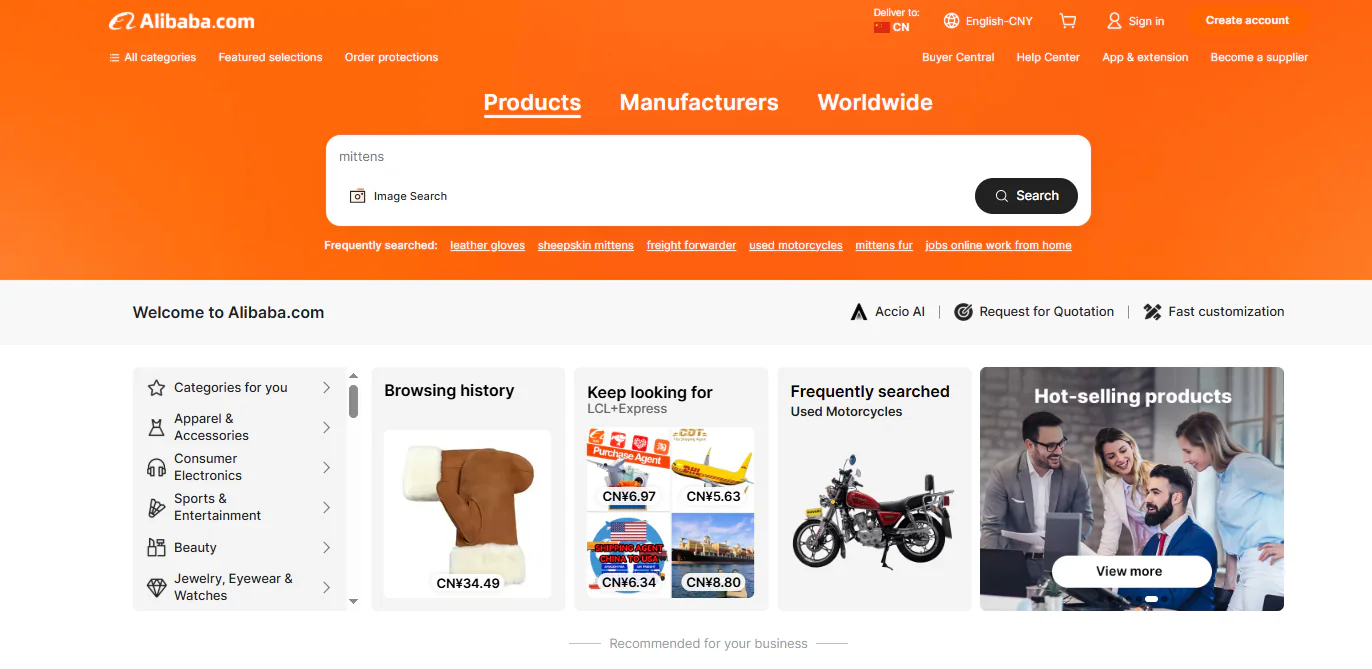
Alibaba targets businesses, brands, and large-scale importers. Most suppliers are manufacturers or trading companies offering wholesale pricing and custom production. Orders typically require MOQs and involve negotiation on price, packaging, and delivery terms.
Key traits:
- MOQ required
- Wholesale pricing with negotiable terms
- Factory-direct supply
- Supports OEM/ODM customization
Alibaba vs AliExpress: Core Differences at a Glance
| Aspect | AliExpress | Alibaba |
|---|---|---|
| Buyer Type | Consumers | Businesses |
| Order Size | Single units | Bulk orders |
| Pricing | Retail | Wholesale, negotiable |
| MOQ | None | Required |
| Customization | Not supported | Supported (OEM/ODM) |
This foundational understanding sets the stage for analyzing which platform offers higher profit margins and how sellers can leverage each model effectively.
How Profit Margins Are Formed in E-Commerce and Wholesale?
Profit margins in both e-commerce and wholesale are ultimately determined by the gap between product acquisition cost, operational expenses, and the final selling price. For online sellers, the cost structure is often dominated by product sourcing (40–60%), logistics (10–30%), platform fees (5–15%), and marketing spend, which can exceed 20% in competitive niches. As a result, even a small adjustment in sourcing cost can significantly impact overall profitability.
In e-commerce retail, margins tend to be thinner because sellers operate in high-competition environments, rely heavily on paid traffic, and sell at per-unit retail prices. A typical dropshipping model sees average net margins around 10–20%, partly due to high advertising and fulfillment costs. Visualizing the margin composition clarifies the challenge:
Example Retail Margin Breakdown (Per Unit)
- Product cost: 55%
- Shipping: 15%
- Marketing: 20%
- Platform/operational fees: 5%
- Net margin: 5%
Wholesale, by contrast, operates on scale. Buyers negotiate directly with factories, reduce per-unit cost through bulk orders, and eliminate most retail-level marketing expenses. This structure causes wholesale margins to widen substantially, with many importers achieving net margins of 25–50%—especially when purchasing directly from manufacturing hubs such as China. In addition, wholesale buyers benefit from freight consolidation, long-term supplier pricing, and customization options that create pricing power in their local markets.
Ultimately, the margin gap between retail and wholesale explains why understanding AliExpress vs Alibaba matters. AliExpress supports fast, low-risk retail purchasing, but margins are limited by high per-unit costs. Alibaba enables deeper profit potential through bulk pricing, negotiation, and OEM/ODM capabilities, making it the preferred choice for sellers aiming to scale efficiently.
AliExpress vs Alibaba: Core Differences That Shape Profit Margins
To understand which platform truly delivers higher profit margins, sellers must examine the fundamental operational differences between AliExpress vs Alibaba. The table below provides a concise comparison across the dimensions that directly affect pricing strategy, sourcing flexibility, and final profitability.
| Dimension | AliExpress | Alibaba |
|---|---|---|
| Unit Price | Retail-level, fixed | Wholesale-level, varies by supplier |
| MOQ Requirements | No MOQ | MOQ required in most cases |
| Customization | Rare | Common (OEM/ODM available) |
| Supplier Structure | Mostly retailers/traders | Mix of factories & trading companies |
| Price Flexibility | Low | Medium to high (depends on supplier) |
| Logistics Model | Small-parcel cross-border shipping | Bulk, consolidated, or freight-based shipping |
| Suitable For | Testing products, small orders | Bulk buying, brand building |
1. Unit Price Structure: Retail vs Wholesale Dynamics
AliExpress operates as a retail marketplace, where sellers list finished, ready-to-ship products with standardized per-unit prices. These prices incorporate the reseller’s margin and are designed for individual buyers, which explains why per-unit costs tend to be higher. The advantage is predictability: pricing is transparent, stable, and easy to compare across sellers.
On Alibaba, pricing varies widely because sellers include factories, wholesalers, and trading companies. Some prices may initially appear low, but they may reflect baseline quotes, higher MOQs, or variable quality levels. While bulk orders generally reduce per-unit costs, buyers must factor in negotiation effort, sample costs, and varying supplier capabilities. Depending on the order size, the total landed cost may or may not be lower than AliExpress.
2. MOQ Structure: Flexibility vs Economies of Scale
AliExpress’s no-MOQ policy gives buyers maximum flexibility. Entrepreneurs can test products, validate market demand, and maintain low operational risk. However, since each unit is purchased individually, buyers do not benefit from bulk discounts, which limits margin expansion as volume grows.
Alibaba’s MOQ requirements introduce upfront commitment, but they allow buyers to access wholesale pricing tiers. For example, unit costs may drop significantly once reaching thresholds such as 100, 300, or 1,000 units. This economy of scale is a major margin driver for structured businesses—but a barrier for sellers who prefer low or no inventory.
3. Customization Capabilities: Differentiation and Margin Leverage
Product customization is one of the strongest ways to improve margin, but it requires the right sourcing environment.
AliExpress offers minimal customization because products are pre-manufactured for immediate shipment. This model is ideal for speed-to-market but restricts brand differentiation. Without the ability to alter product features, packaging, or design, sellers often enter highly saturated markets with limited pricing power.
Alibaba, by contrast, enables OEM (custom branding) and ODM (custom design) through its large base of factories. Customization can create unique SKUs, expand perceived value, and justify premium pricing. However, customization involves longer lead times, design costs, and quality control considerations—factors that may reduce speed but enhance long-term margins when executed properly.
4. Supplier Structure: Multi-Layer Supply Chains and Cost Transparency
AliExpress sellers typically function as retailers or micro-traders holding inventory in warehouses. This structure provides reliable stock availability and fast order processing, but can add layers of margin between the factory and the consumer.
Alibaba offers access to a wider spectrum of suppliers—from small workshops to large ISO-certified factories. Working with factories may reduce costs and improve customization potential, but it also introduces complexities: communication challenges, varying production standards, and the need for more rigorous supplier verification. In some cases, trading companies may offer better service or quality assurance for small buyers, even if their pricing is higher.
Understanding who you are buying from often matters more than the platform itself.
5. Price Flexibility: Fixed Convenience vs Negotiated Value
AliExpress prices are typically fixed, simplifying the purchasing process. This is advantageous for speed and administrative efficiency. However, fixed pricing prevents buyers from improving their margins as order volume increases.
Alibaba’s pricing is fluid. Suppliers may adjust quotes based on quantity, contract terms, raw material costs, packaging requirements, or production calendar. Negotiation can reduce per-unit cost substantially, but requires time, communication skills, and sometimes long-term commitment. Not all buyers will find negotiation equally beneficial; smaller businesses may see only modest price adjustments.
6. Logistics and Shipping Cost Models
AliExpress predominantly uses small-parcel shipping, including AliExpress Standard Shipping, ePacket, and other cross-border services. These are convenient and predictable for low-volume orders, but per-unit shipping cost remains relatively high. Additionally, shipping speed can vary from 7 to 30 days depending on the destination.
Alibaba supports freight options such as air cargo, sea freight (LCL/FCL), and consolidated shipments. These methods significantly reduce shipping cost per unit at scale but introduce additional variables—customs clearance, forwarder selection, and longer delivery windows. The logistics model that maximizes profit depends heavily on the buyer’s inventory strategy and demand forecasting accuracy.
Best Platform for Each Business Model
Identifying whether AliExpress or Alibaba aligns with your business model is crucial for maximizing profit margins, minimizing operational risk, and building a scalable sourcing strategy. The following breakdown helps different types of sellers choose the most appropriate platform based on cost structure, inventory strategy, and growth potential.
1. Dropshipping
For dropshippers, AliExpress remains the most practical choice due to its no-MOQ model, ready-to-ship inventory, and platform plugins that integrate directly with Shopify and WooCommerce. Although per-unit costs are higher—often 20–40% more than Alibaba equivalents—the absence of upfront inventory expenses keeps risk low. AliExpress also offers consistent small-parcel shipping options and faster processing, making it suitable for testing new products quickly. Sellers focused on speed and flexibility typically find the best fit here.
2. Amazon FBA
Amazon FBA requires competitive landed costs, stable supply, and reliable packaging standards—all areas where Alibaba suppliers generally outperform AliExpress sellers. Bulk ordering through Alibaba can reduce per-unit cost by 30–70% once volume thresholds are met, allowing room for Amazon fees and advertising expenses while still preserving margins. Many factories also support custom packaging and barcoding, which are essential for FBA compliance. As a result, Alibaba is the preferred platform for sellers scaling toward long-term FBA profitability.
3. Shopify / DTC Brand
Direct-to-consumer brands depend heavily on differentiation, margin control, and a consistent product experience—all of which require customization capabilities that AliExpress cannot provide. Alibaba’s OEM/ODM services allow DTC brands to customize materials, packaging, and product design, enabling stronger branding and premium pricing. This customization can expand gross margins by 15–40% depending on category. For any business aiming to build a recognizable brand rather than simply resell generic goods, Alibaba is the clear strategic match.
4. New Sellers With Low Budget
Early-stage sellers with limited capital often benefit from starting on AliExpress to validate product demand without risking inventory. Because AliExpress supports one-unit purchasing, new sellers can test multiple SKUs before committing resources. Once a product proves traction—such as surpassing a certain ROAS, maintaining steady sales volume, or achieving positive customer feedback—the seller can transition to Alibaba to secure lower per-unit costs and better long-term profitability. This “AliExpress test → Alibaba scale” path is one of the most effective risk-controlled strategies for new entrepreneurs.
Choosing between AliExpress vs Alibaba ultimately depends on your cost structure, operational model, and long-term strategy. The following decision framework helps sellers quickly identify which platform aligns with their profit goals. Think of it as a filter: as you move through each decision point, the correct platform becomes increasingly obvious.
How Do You Choose the Platform?
1. Do You Need Customization or Branding?
- Yes → Choose Alibaba. Private labeling, logo printing, packaging customization, and bulk manufacturing are only feasible through suppliers on Alibaba. Customization is essential for higher margins and defensible branding.
- No → AliExpress could work. Ready-made items let you test markets fast, but margins are thinner due to retail-level pricing.
2. What Is Your Budget Range?
- Very Low Budget (<$300): AliExpress allows single-unit or low-MOQ sourcing, helping you validate demand with minimal risk.
- Medium to High Budget (> $1,000): Alibaba’s wholesale pricing reduces cost per unit dramatically, enabling stronger profit margins at scale.
3. How Often Do You Need to Replenish Inventory?
- High turnover / Frequent restocking: Alibaba offers stable supply chains and factory-level production, reducing stockout risks and lead-time variability.
- Occasional restocking: AliExpress simplifies operations with faster small-batch delivery and no need for long-term supplier contracts.
4. What Profit Margin Target Are You Aiming For?
- 10–20% target: AliExpress can work for lightweight, low-cost items but rarely supports high profitability due to higher product costs.
- 25–50%+ target: Alibaba is typically required because true wholesale pricing and manufacturing control enable scalable margin growth.
5. What Sales Channel Do You Operate?
- Dropshipping stores, beginners, or social commerce → AliExpress is the easiest entry point with pre-stocked items and low operational complexity.
- Shopify brands, marketplaces (eBay, Amazon FBA), and DTC brands → Alibaba is the better foundation for custom packaging, competitive pricing, and brand consistency.
- High-volume Amazon FBA sellers → The economics almost always favor Alibaba due to bulk manufacturing and predictable long-term supply.
6. What Is Your Logistics or Fulfillment Strategy?
- No warehouse / Dropshipping → AliExpress, due to direct shipping and no inventory holding.
- FBA, 3PL warehouse, or bulk sea shipping → Alibaba, because unit costs, MOQ, and palletized shipping significantly reduce landed costs.
Conclusion
When comparing AliExpress vs Alibaba, there is no universal “best” choice—only the platform that best fits your business model, budget, and profit expectations. AliExpress offers speed, low commitment, and easy product testing, making it ideal for beginners and dropshippers. Alibaba delivers wholesale pricing, customization, and production control, enabling higher profit margins and long-term brand building. Ultimately, maximizing your profit depends on choosing a sourcing strategy that matches your operational model, sales channel, and growth plan.
If you need help identifying reliable suppliers, negotiating better prices, or finding factories that support OEM/ODM production, SoSourcing can streamline the entire sourcing process. We connect you with verified manufacturers, provide one-on-one procurement support, and help you lower costs while reducing sourcing risks—so you can scale your business with confidence.
FAQ
Does AliExpress offer wholesale pricing similar to Alibaba?
Not exactly. Alibaba specializes in wholesale and bulk orders, allowing for significant price reductions per unit. AliExpress is primarily retail-oriented, offering fixed prices for small quantities. While some AliExpress sellers provide small discounts for multiple units, the savings are usually far less than on Alibaba.
Which platform has lower shipping costs: Alibaba or AliExpress?
Shipping costs depend on order size. AliExpress often offers low-cost options like ePacket for small orders, but large shipments can get expensive. Alibaba provides bulk shipping options at lower per-unit rates, but you may need to manage logistics or freight forwarding.
Does AliExpress or Alibaba provide better buyer protection?
Both platforms offer buyer protection, but the scope differs. AliExpress provides clear refund policies for small orders, including full refunds for non-delivery or damaged products. Alibaba’s Trade Assurance protects larger bulk purchases and custom orders, ensuring suppliers meet agreed terms.
Which platform delivers faster: AliExpress or Alibaba?
For small, ready-to-ship orders, AliExpress is usually faster, with standard delivery often within 7–20 days. Alibaba orders are bulk or customized, which can take weeks to months, depending on production and shipping arrangements.
Is AliExpress more reliable than Alibaba for small orders?
Yes, AliExpress is generally more reliable for small orders because it’s designed for retail and quick fulfillment. Alibaba is better for larger, bulk, or custom orders, but small purchases may face minimum order quantities and longer processing times.