
Shipping from China to USA can seem complicated at first. Delivery times vary widely depending on the shipping method, product type, destination, and urgency. In this guide, we break down the main options—including express, air freight, sea freight, and postal channels—and explain when each method works best. You’ll also learn the key factors that influence transit times and how to choose the right shipping method for your needs. By understanding these points, you can plan smarter shipments, save costs, and ensure timely delivery for your business or personal orders.

Why Does Shipping Time from China to USA Matter?
Shipping time is one of the first things buyers consider when importing from China. It affects your inventory planning, cash flow, and the promises you can make to customers. A delay of just a few days may disrupt your entire sales schedule, especially if you operate on platforms like Amazon, Walmart, or Shopify. Recent surveys show that nearly 70% of US online shoppers abandon repeat purchases after a slow delivery experience, which makes reliable timelines even more important.
For businesses, understanding the real delivery time for shipping from China to USA helps forecast demand and avoid costly stockouts. It also allows you to plan production with your supplier more accurately. When you know what to expect, you can align manufacturing, shipping, and marketing activities more smoothly.
Shipping time matters for another reason: cost control. Faster shipping often requires higher freight rates, while slower methods like sea freight reduce costs but increase uncertainty. Choosing the wrong method can impact profit margins and product competitiveness. That is why understanding how different shipping methods work—and how long they take—is essential before placing any order.
What Shipping Methods Are Available from China to the USA?
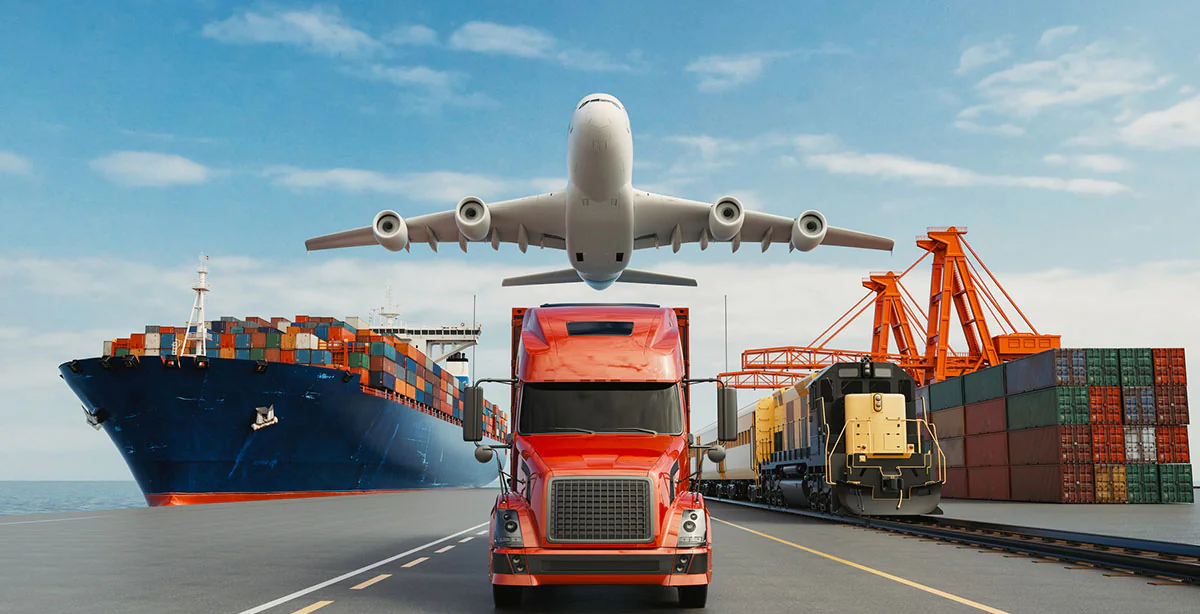
When planning shipping from China to USA, it helps to start with a clear picture of the main transportation methods. Each method differs in speed, cost, and reliability. Understanding these options allows you to select the best solution for your product type, budget, and delivery expectations in the US market.
Here are the four primary shipping methods:
- Express Shipping
- Air Freight
- Sea Freight
- Postal & Small-Parcel Services
To help you quickly compare these methods, here is a simple visual table.
| Shipping Method | Delivery Speed | Cost Level | Tracking Stability |
|---|---|---|---|
| Express (DHL/FedEx/UPS) | Fastest | High | Very Stable |
| Air Freight | Fast | Medium | Stable |
| Sea Freight – FCL | Slow | Low | Stable |
| Sea Freight – LCL | Slow to Medium | Low | Medium |
| Postal Services (ePacket, China Post, USPS) | Variable | Very Low | Moderate |
How Fast Is Express Shipping from China to the USA?
What Is Express Shipping?
Express shipping is a premium, time-sensitive logistics service. It moves parcels through dedicated air networks, prioritized customs channels, and a fully carrier-managed process. Unlike economy air or postal services, express carriers handle every step—pickup, air transport, customs, and final delivery—so the transit time is faster and more predictable.
Major Express Carriers
The three dominant express carriers for shipments from China to the USA are:
- DHL Express – Known for strong customs clearance capacity and dense Asia–US flight routes.
- FedEx Express – Operates one of the largest air fleets and provides reliable delivery across the US.
- UPS Express – Offers fast, stable delivery with strong domestic coverage in the US, often preferred for FBA shipments.
All three offer door-to-door service with detailed tracking and high delivery success rates.
Typical Express Transit Time (3–7 Days):Express shipping usually takes about 3–7 days from China to the US, including pickup, export handling, international flight, customs clearance, and final delivery. Transit time may vary slightly based on customs workload, seasonality, weather, and destination ZIP codes.
When Should You Choose Express?
Express is ideal for shipments where speed and reliability matter most. Common use cases include:
- Product samples for quick evaluation
- Urgent FBA replenishment to avoid stockouts
- High-value or time-sensitive items
- VIP customer orders or replacements
- Certification samples or documents requiring timely delivery
How Long Does Air Freight Take for USA-Bound Shipments?
Air freight offers a middle ground between express shipping and sea freight. It provides faster delivery than ocean transport but at a lower cost than express services. When shipping from China to the USA, typical air freight transit time ranges from 5–12 days, depending on the route, cargo type, customs clearance, and warehouse handling on both sides.
Air freight generally follows several key steps: export booking, cargo inspection, flight departure, US customs clearance, and final inland delivery. Each step can introduce delays. For example, cargo backlogs at Shanghai PVG during peak seasons or TSA inspections at LAX and JFK can extend the schedule by a few days.
Typical Air Freight Timeline
- Export handling: 1–3 days
- Flight and transfer: 1–2 days
- US customs clearance: 1–3 days
- Final delivery: 1–4 days
Real-World Example
A US electronics brand ships 800 kg of smart home devices from Shenzhen to its Los Angeles warehouse. Using standard air freight, the goods depart within two days of booking. After a direct flight and a smooth clearance process, the cargo arrives at the LA warehouse on Day 7.
During holiday peak season, the same shipment may take 10–12 days due to flight space shortages and slower clearance.
Air freight is ideal for fast inventory turnover, medium-sized B2B orders, and products sensitive to stockouts. It is especially popular among US importers seeking a balance between cost control and speed.
How Long Does Sea Freight Take from China to the USA?
Sea freight is the most economical way to move large volumes from China to the US. Transit time varies significantly depending on origin port, destination, carrier, and whether the shipment is Full Container Load (FCL) or Less than Container Load (LCL). In general, the full delivery cycle takes 20–45 days.
Ocean shipping includes container loading, trucking to port, vessel departure, sailing time, unloading, customs, and domestic transport. FCL shipments tend to be faster because they avoid consolidation delays. LCL adds extra steps: grouping cargo from multiple shippers, inspection, and deconsolidation on arrival.
Port-to-Port Sailing Time (General Ranges)
- China to US West Coast: shorter transit
- China to US East Coast: longer transit
- LCL routes: generally slower due to consolidation
Real-World Example
A US furniture retailer ships 5 full containers (FCL) from Ningbo to Long Beach.
- Sailing time: roughly 2–3 weeks
- Port congestion clearance + drayage: about 1 week
- Final delivery to the Chicago distribution center: 5–7 days
Total door-to-door: around 30 days.
In contrast, when the retailer tested LCL for smaller shipments, consolidation added 4–6 extra days, and deconsolidation at the US CFS terminal added another 3–4 days. The total increased to about 38 days.
Sea freight is the preferred choice for high-volume goods, bulky products like furniture and machinery, and cost-driven inventory planning.
How Long Do Small Parcel and Postal Channels Take?
Small parcel and postal solutions include China Post, USPS, ePacket, and hybrid services. They are widely used for lightweight eCommerce orders, samples, and low-value products. When shipping from China to the USA, postal and small-parcel transit time typically falls between 10–25 days.
These services rely on shared air cargo capacity, multiple logistics partners, and centralized customs processing. As a result, delivery times fluctuate more than express or air freight. Tracking updates may be slower, and customs queues can extend delivery by several days.
Why Postal Channels Vary So Much?
- Shared cargo space leads to flight delays
- Parcels are processed through international mail terminals
- USPS handles last-mile delivery, where workload varies by season
- Rural ZIP codes often require additional routing time
Real-World Example
A US buyer orders a small accessory from a Chinese seller who uses ePacket.
- Export from China: 2–4 days
- International transport + customs: 6–12 days
- USPS processing + final delivery: 3–7 days
Total delivery time: typically 12–20 days.
However, during peak holiday seasons, the same parcel may take 20–28 days due to delays in inbound mail facilities such as ISC New York or Chicago.
Postal channels remain popular because they offer affordable rates for parcels under 2 kg and support large daily order volume for cross-border sellers.
What Factors Influence China-to-USA Shipping Time the Most?
Shipping from China to the US is affected by multiple variables across the entire logistics chain. Even shipments using the same method may arrive days—or weeks—apart. Understanding these factors helps businesses plan inventory, reduce delays, and choose the right transport mode.
• Shipping method differences
The choice between express, air freight, sea freight, and postal channels sets the baseline speed. Express is the fastest, followed by air freight, then sea freight, with postal services offering the least predictable timelines.
• Port selection and route distance
China’s major ports—Shenzhen, Guangzhou, Ningbo, Shanghai—process cargo faster and offer more frequent routes to the US. Arrival ports matter too: West Coast entry points like Los Angeles/Long Beach shorten transit times, while East Coast ports require longer sailing routes.
• Customs clearance and documentation accuracy
Missing or inaccurate paperwork can trigger inspections and multi-day holds. Common issues include incorrect HS codes, undeclared batteries, or incomplete product certificates.
• Seasonal demand peaks
Black Friday, Cyber Monday, Christmas, and Chinese New Year dramatically increase global cargo volume. When network load spikes, flight capacity tightens, vessel space sells out, and customs queues lengthen.
• Weather conditions and operational disruptions
Typhoons in southern China, winter storms in the US, and unexpected airport or port shutdowns can disrupt schedules.
• Final-mile delivery and destination ZIP code
Deliveries near major US hubs arrive faster than those going to remote cities or rural ZIP codes. Regional USPS or carrier workloads also influence speed.
• Supplier and freight forwarder efficiency
Slow packaging, late booking, or lack of coordination adds delays before the shipment even departs China. A competent freight forwarder can significantly reduce handling time.
Overall, China-to-US delivery time is the result of multiple moving parts. Businesses that understand these variables—and manage them proactively—see more stable timelines and fewer costly delays.
How Should You Choose the Best Shipping Method for Your Needs?
Choosing the right way to ship from China to the USA is ultimately a balance between cost, speed, product type, and destination. No single method fits every business, so importers should evaluate trade-offs carefully before booking cargo. The following considerations can help you make a well-informed decision.
1. Based on Budget: Speed vs Cost
When deciding on shipping from China to USA, cost is often the first consideration. Express shipping is the fastest option, but it comes at a higher price, making it suitable for urgent orders or high-value items. Air freight balances speed and cost, ideal for medium-sized shipments that need timely delivery without breaking the budget. Sea freight is the most economical for large volumes, though transit times are longer.
Example: A small US business ordering 50 sample units of a new gadget might choose DHL Express to meet a marketing deadline. In contrast, a retailer importing a container of furniture for stock replenishment will likely use sea freight to save thousands of dollars.
Tip: Always calculate the total cost, including customs and local delivery fees, when comparing options. This ensures that budget decisions align with actual shipping needs.
2. Best Shipping Methods for Different Product Types
The type of product significantly impacts the choice of shipping.Here are some common transportation methods for various product types.
| Product Type | Recommended Shipping Method | Notes / Use Case Example |
|---|---|---|
| Perishable goods (food, flowers) | Express / Air Freight | Ensure fast delivery to maintain freshness. E.g., fresh snacks shipped via DHL Express. |
| Electronics (phones, gadgets) | Express / Air Freight | Sensitive and high-value items need fast, trackable shipping. |
| Fashion & Apparel | Air Freight / Express | Seasonal clothing or limited collections benefit from timely arrival. |
| Bulk consumer goods (furniture, homeware) | Sea Freight | Cost-efficient for large volumes, non-urgent shipments. |
| Samples & small parcels | Express / Postal Channels | Low-volume shipments, market testing, or promotional items. |
| Industrial equipment | Sea Freight / Air Freight | Large or heavy machinery may need customized shipping. |
3. How Urgency Affects Your Shipping Choice
Shipping urgency is a major factor in selecting the best method. Regular inventory can often use sea or air freight, but urgent restocking, FBA shipments, or sudden market demand may require express shipping. Planning ahead reduces costs, while last-minute decisions often force higher fees.
Example: A seller running a flash sale on Amazon notices inventory is low. Sending a small batch via DHL Express ensures products arrive in 3–7 days, avoiding lost sales and negative reviews.
Tip: Keep a buffer stock for high-demand products to reduce dependency on expensive urgent shipments.
4. Choosing the Optimal Route Based on Destination
The US delivery address also affects transit time. Major ports like Los Angeles, New York, and Houston handle large volumes efficiently, while remote or rural areas may require additional local carriers, increasing transit time. Combining shipping method and route planning can save time and prevent unexpected delays.
Example: Shipping a container to Los Angeles via sea freight is usually smooth and predictable. But delivering the same container to a small town in Montana may add days of local trucking.
Tip: When quoting shipping options, always consider the final destination. Some carriers offer “port-to-door” services, which simplify logistics and reduce delays.
FAQ
Are DDP (tax-included) shipping options available for the USA?
Yes. Some freight forwarders offer DDP services that cover duties, taxes, and customs handling. These options simplify the import process but may have longer transit times than standard express or air freight.
How does package size and weight affect shipping time?
Oversized, overweight, or irregular packages may require special handling, which slows down processing. Standard-sized parcels move through logistics networks faster because they fit automated systems and aircraft load limits.
Is shipping time different for commercial vs. personal shipments?
Commercial shipments often require more documentation, such as EIN numbers or commercial invoices. Personal parcels usually clear customs faster, but restrictions still apply depending on the product.
Do holidays in China or the US affect shipping time?
Yes. China’s Spring Festival, Golden Week, and the US holiday season significantly slow down production, shipping, and customs operations. Importers should plan 2–4 weeks earlier during these peak times.
How long does shipping to Amazon FBA warehouses take?
FBA shipments follow all standard China-to-US transit times, plus extra time for domestic trucking and warehouse appointment scheduling. During peak seasons, inbound FBA appointments may add several days to the process.
Why do tracking updates sometimes freeze for several days?
Tracking gaps are common during long-haul flights, transshipment stages, or customs clearance. Postal systems often scan less frequently, which creates multi-day gaps. As long as the parcel continues moving through the network, delivery will resume normally.
Why does shipping from China to the USA sometimes take longer than expected?
Shipping delays often occur due to factors outside a carrier’s control—port congestion, customs inspections, extreme weather, or peak-season backlogs. Even efficient services like air freight or express can encounter temporary slowdowns. Planning ahead and shipping earlier during high-demand periods helps reduce risks.
Conclusion
Shipping from China to the USA doesn’t have to be confusing. By understanding the differences between express, air freight, sea freight, and postal channels, and considering factors like product type, urgency, budget, and destination, you can choose the method that best fits your needs. Planning ahead helps save time, reduce costs, and avoid delays.
For businesses or individuals looking to simplify their sourcing and shipping process, sosourcing provides professional purchasing agent services. From finding reliable suppliers to coordinating shipments and handling logistics, sosourcing helps ensure your orders from China arrive smoothly and efficiently.