1. Understanding the Role: What Is a Vendor Manager?
At its core, a Vendor Manager acts as the strategic bridge between an organization and its external suppliers. Their primary mission is to ensure that products and services are sourced, delivered, and maintained to high standards—on time, within budget, and at the optimal Total Cost of Ownership (TCO).
Core Responsibilities include:
- Strategic Sourcing & Procurement: Identifying and vetting suppliers that align with business goals.
- Contract Negotiation: Managing terms, pricing, and Service Level Agreements (SLAs) to ensure mutual value.
- Performance Monitoring (KPIs): Using data-driven metrics to track supplier reliability, quality, and delivery speed.
- Risk Management: Proactively identifying and mitigating potential supply chain disruptions or compliance issues.
The Measurable Value: A skilled Vendor Manager does more than just “buy things.” They drive cost efficiency by reducing hidden expenses—such as delays, defects, and urgent shipment fees—while safeguarding the brand’s reputation through consistent quality control and supplier accountability.
2. Key Skills of an Effective Vendor Manager
In 2026, a Vendor Manager is more than just a buyer; they are risk mitigators and strategic orchestrators. A professional must master these four pillars:
Strategic Negotiation & Stakeholder Alignment
- Conflict Resolution: Top performers don’t just “haggle” for the lowest price; they create alignment when internal priorities clash (e.g., Marketing wants speed, while Finance wants low cost).
- Outcome-Based SLAs: They translate business needs into measurable Service Level Agreements (SLAs), ensuring clear escalation paths and accountability for timelines and quality thresholds.
Predictive Data Analytics (KPI Management)
- From Reactive to Predictive: Instead of reacting to a late shipment, expert managers analyze trends in Key Performance Indicators (KPIs)—such as On-Time Delivery (OTD), defect rates, and lead-time stability—to forecast and prevent risks.
- Evidence-Based Decisions: They use data to prove the ROI of choosing a premium supplier over a cheaper, high-risk alternative.
Strategic Thinking: Partnership vs. Transactional Buying
- Joint Value Creation: They move beyond “one-off” purchases to build long-term Supplier Relationship Management (SRM) frameworks. This involves sharing demand forecasts and capacity planning to ensure mutual growth.
- Competitive Edge: By fostering partnerships, they gain access to vendor innovations and priority support that transactional buyers miss.
Advanced Technical Literacy
- Mastering the Tech Stack: Proficiency in ERP (SAP, Oracle) and SRM software is non-negotiable for tracking POs, compliance documents, and vendor scorecards.
- AI Adoption: In the modern landscape, they leverage AI tools for real-time risk monitoring and automated contract auditing to improve efficiency and reduce manual errors.
3. Why Choosing the Right Vendors is Critical in 2026
In an era of global volatility, your choice of vendors is a core business strategy that determines your brand’s survival.
Supply Chain Resilience: Stability in an Uncertain Market
- Navigating Volatility: With geopolitical shifts and logistics bottlenecks, the “right” vendor is one that offers Agility. Choosing partners with diverse sourcing origins and disaster recovery plans is essential for business continuity.
- Risk Mitigation: A resilient vendor base acts as a shock absorber, protecting your operations from sudden capacity shifts or transport delays.
Quality Control: Your Supplier Is Your Brand
- Reputation Management: To the customer, the supplier is invisible—they only see your brand. A single quality lapse can lead to viral negative reviews and permanent loss of trust.
- ESG & Ethical Sourcing: In 2026, compliance with ESG (Environmental, Social, and Governance) standards is mandatory. Choosing transparent vendors is the only way to safeguard your brand from legal risks and consumer backlash.
Cost Efficiency: Optimizing Total Cost of Ownership (TCO)
- The “Iceberg” Effect: The lowest unit price is often just the tip of the iceberg. True cost efficiency comes from optimizing TCO, which includes:
- Logistics and hidden customs fees.
- Costs of defects, rework, and returns.
- The “Opportunity Cost” of stockouts and delays.
- Profit Protection: High-performing vendors reduce these hidden expenses through consistent quality and reliable lead times, protecting your margins in a high-inflation environment.
4. A Step-by-Step Process to Choose the Right Vendors
Selecting a vendor is a high-stakes investment. Following a structured strategic sourcing process ensures you minimize risk and maximize ROI.
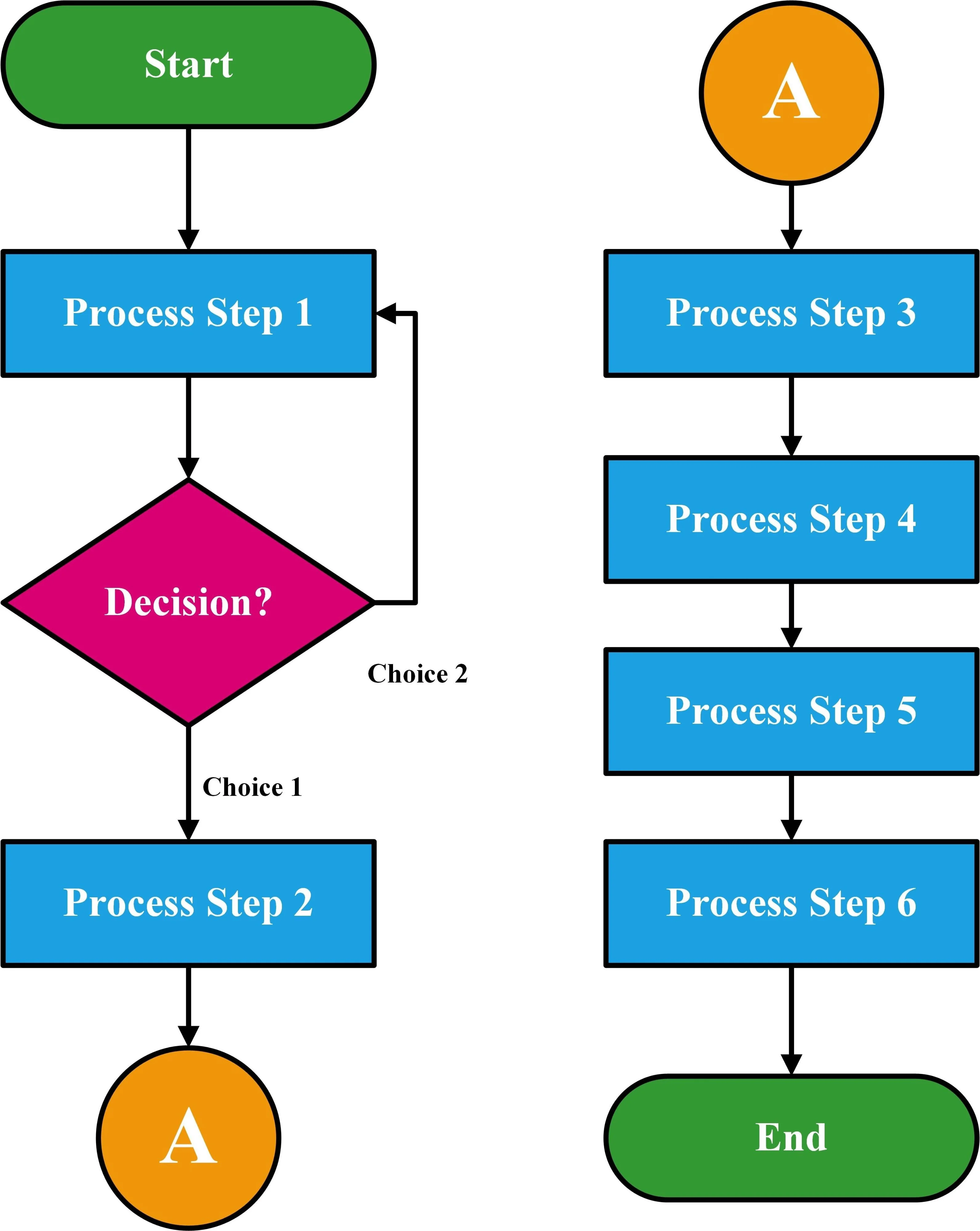
Step 1: Define Your Needs & Objectives (RFP/RFQ Preparation)
Before looking outward, look inward. Document your technical requirements, volume expectations, and budget constraints.
- Draft an RFP/RFQ: A clear Request for Proposal (RFP) or Request for Quotation (RFQ) prevents “scope creep” and ensures all candidates are bidding on the same criteria.
Step 2: Market Research & Shortlisting
Cast a wide net but filter quickly. Use a mix of digital and traditional channels:
- Industry Reports & Directories: Leverage platforms like Gartner, Thomasnet, or specialized trade publications.
- Professional Networks: Use LinkedIn or industry-specific forums to find vendors with proven track records.
- Trade Shows: Ideal for high-touch industries where seeing a product or meeting a team in person is vital.
Step 3: The Deep-Dive Evaluation Phase
Once you have a shortlist, perform rigorous due diligence across three critical areas:
- Financial Stability: Review audited financial statements to ensure the vendor won’t go out of business mid-contract.
- Compliance & Certifications: Verify industry-standard certifications like ISO 9001 (Quality), ISO 27001 (Data Security), or industry-specific licenses.
- Cultural Fit: Does their communication style and corporate values align with yours? A mismatch here often leads to friction in long-term partnerships.
Step 4: Request for Proposal (RFP) Analysis
Don’t just look at the bottom line. Use a Weighted Scoring Model to compare bids objectively. Compare their technical capabilities, support structures, and “value-add” services against your original objectives.
Step 5: Reference Checks & Site Visits (The EEAT Factor)
This is where you verify the “truth.”
- Speak to Past Clients: Ask about their reliability during crises, not just when things are going well.
- Site Visits: Whenever possible, visit their facility. Observing their shop floor, employee morale, and QC stations provides insights that no brochure can capture.
5. Critical Criteria for Vendor Selection: The Evaluation Matrix
Use this table as a quick-reference guide during your decision-making process. This structured format helps Google’s AI summarize your content for searchers.
| Selection Criteria | What to Look For (Key Performance Indicators) |
| Quality Standards | Historical pass rates, ISO certifications, and robust Quality Management Systems (QMS). |
| Operational Reliability | On-Time Delivery (OTD) rates, lead-time consistency, and emergency surge capacity. |
| Pricing & Terms | Transparency in pricing, volume discounts, and favorable payment terms (e.g., Net 30/60). |
| Innovation & Tech | R&D investment, continuous improvement programs, and ability to scale with your tech stack. |
| ESG & Sustainability | Environmental footprint, ethical labor practices, and carbon reporting compliance. |
6. Common Pitfalls to Avoid in Vendor Management
Even with a great selection process, many businesses fall into traps that erode value over time. Avoiding these three mistakes is essential for maintaining a healthy supply chain.
The “Price Trap”: Ignoring Hidden Costs
- The Mistake: Choosing a vendor based solely on the lowest unit price.
- The Reality: A “cheap” vendor often comes with hidden costs: high defect rates, late deliveries, poor communication, or rigid terms.
- The Fix: Always calculate the Total Cost of Ownership (TCO). A slightly more expensive vendor with 99% on-time delivery is often cheaper in the long run than a budget vendor that causes production delays.
Over-Reliance on a Single Source (Single-Sourcing Risk)
- The Mistake: Putting all your eggs in one basket to get a better volume discount.
- The Reality: If that single supplier faces a fire, a strike, or financial insolvency, your entire business stops.
- The Fix: Adopt a multi-sourcing strategy for critical components. While it may slightly increase administrative work, it provides the “insurance” of business continuity.
Lack of Clear Service Level Agreements (SLAs)
- The Mistake: Signing a vague contract that doesn’t define “good performance.”
- The Reality: Without specific KPIs (e.g., “Response within 4 hours,” “Defect rate below 0.5%”), you have no legal or operational leverage when quality slips.
- The Fix: Embed clear, measurable SLAs into every contract. Define not only the expectations but also the remedies or penalties if those standards are not met.
7. The Future: How AI is Changing Vendor Selection in 2025
The role of the Vendor Manager is being revolutionized by Artificial Intelligence. In 2025, AI is moving from a “nice-to-have” to a core competitive advantage.
AI-Driven Risk Early Warning Systems
Modern vendor managers no longer wait for a phone call to know a shipment is late. AI tools now monitor:
- Geopolitical Events: Real-time tracking of strikes, port congestion, or political instability that might affect your specific vendors.
- Financial Health Monitoring: AI algorithms scan news, credit reports, and market data to flag vendors showing signs of financial distress before they fail.
Advanced Vendor Profiling & Matching
AI is making “The Shortlist” more accurate than ever:
- Sentiment Analysis: AI can “read” thousands of online reviews, news articles, and forum mentions to determine a vendor’s true reputation beyond their sales deck.
- Predictive Performance: By analyzing historical data across the industry, AI can predict which vendors are likely to scale with your business and which will become bottlenecks.
- Automated Scorecarding: AI-powered SRM (Supplier Relationship Management) tools automatically update vendor scores based on real-time performance data, removing human bias from the evaluation process.
8. Conclusion: Turning Vendors into Strategic Assets
Vendor Management is no longer a back-office administrative task; it is a strategic engine for business growth. By moving from a transactional mindset to a partnership-driven approach—backed by data and clear accountability—you protect your margins, your brand, and your future.
The right vendor doesn’t just sell you a product; they help you win in your market.If you’re looking to turn sourcing into a competitive advantage, Sosourcing can help. We’re a professional B2B sourcing agent providing one-stop support—from wholesale supplier matching and negotiation to quality checks, logistics, and customs clearance.
9. FAQ
What is the difference between a Vendor Manager and a Procurement Manager?
While the roles overlap, Procurement Managers focus on the transactional stage—sourcing, purchasing, and the initial contract. Vendor Managers focus on the post-purchase lifecycle—building long-term relationships, monitoring ongoing performance (SLAs), and mitigating risks. Essentially, procurement gets the vendor, while vendor management optimizes the vendor.
What are the “5 Cs” of vendor selection?
The 5 Cs is a classic framework used by experts to evaluate potential partners:
· Competency: Technical skill and specialized knowledge.
· Capacity: Ability to scale and meet your volume requirements.
· Commitment: Quality standards and dedication to the partnership.
· Control: The robustness of their internal processes and QC.
· Cash: Financial stability to ensure long-term business continuity.
How do you measure vendor performance effectively?
Effectiveness is measured through Key Performance Indicators (KPIs) tailored to your business goals. The most critical metrics include On-Time Delivery (OTD), Defect/Quality Rate, Lead-Time Stability, and Responsiveness. Top performers use automated Scorecards within an SRM tool to track these metrics in real-time.
Why is “Total Cost of Ownership” (TCO) better than “Lowest Price”?
Focusing on the lowest price often ignores hidden expenses like shipping delays, high defect rates, and administrative friction. TCO provides a holistic view by including acquisition, operation, maintenance, and the “cost of failure.” In 2025, a vendor with a slightly higher price but 100% reliability almost always offers a lower TCO.
How is AI currently being used in vendor management?
In 2025, AI is used primarily for Predictive Risk Monitoring and Automated Compliance. AI tools scan global news and financial data to flag potential supplier disruptions before they happen. Additionally, AI-powered analytics help managers identify patterns in vendor performance that are invisible to the human eye, enabling more proactive decision-making.