If you are an importer or footwear buyer, understanding where are Puma shoes made is crucial for sourcing high-quality products at competitive prices. Puma is a global brand with a diverse product range, from performance athletic shoes to lifestyle sneakers. Knowing the puma shoes origin helps importers evaluate production costs, quality standards, and lead times. This guide covers all the main manufacturing countries for Puma shoes, key factors behind their country selection strategy, a practical buying guide, and top footwear manufacturers in China. By the end of this article, you will have a clear roadmap to source Puma-style or similar footwear efficiently and confidently.
Brand Overview: Puma
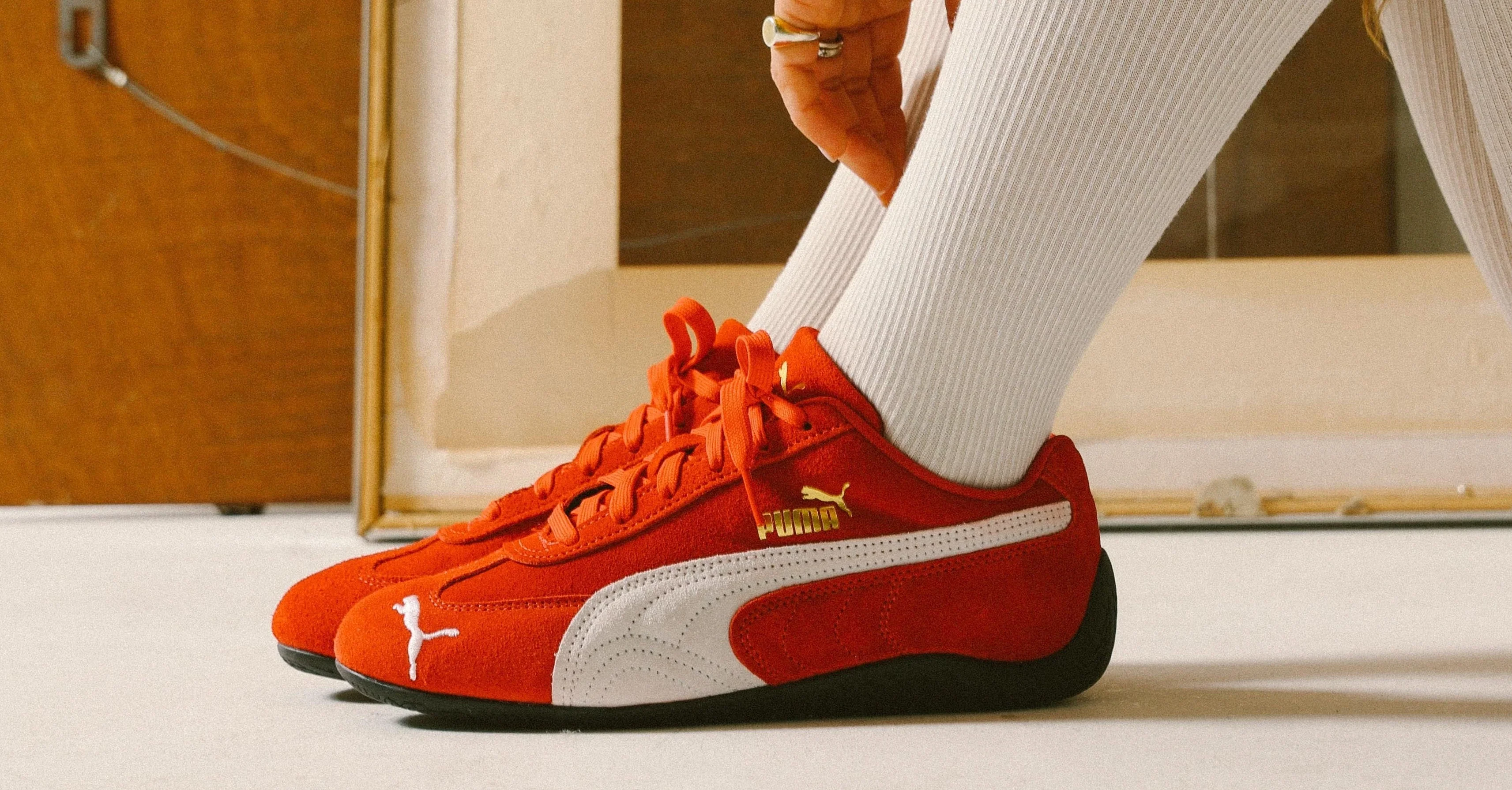
Puma is a globally recognized sportswear and lifestyle brand, founded in 1948 in Herzogenaurach, Germany. Over the decades, it has grown into one of the world’s leading athletic companies, known for combining performance, innovation, and style. The brand designs, develops, and markets a wide range of products, including footwear, apparel, and accessories for sports and casual wear.
Puma is particularly strong in performance categories such as running, training, football, and motorsports. Its products are engineered to deliver comfort, durability, and high performance for athletes at all levels. Beyond sports, Puma has become a lifestyle brand, offering trendy sneakers, streetwear apparel, and fashionable accessories that appeal to young and urban consumers worldwide.
The brand is also famous for its high-profile collaborations with athletes, designers, and pop culture icons. These partnerships produce limited-edition collections and iconic products that drive global demand and reinforce Puma’s image as an innovative and fashionable brand.
With a presence in over 120 countries, Puma combines global reach with local market insights. Millions of customers choose Puma for both athletic performance and style, making it a trusted name for sports enthusiasts, fashion-conscious consumers, and retailers alike.
Where Are Puma Shoes Made? Key Manufacturing Countries
Puma shoes are manufactured in multiple countries across Asia and Europe. Understanding these production locations is crucial for importers, as each country has different advantages in cost, quality, and lead time.
Below is a quick reference table:
| Country | Key Features | Suitable Products | Cost Level | Quality |
| China | Largest hub, mature supply chain, skilled workforce, strong material ecosystem | High-volume, mid-range shoes, performance sneakers | Medium | High |
| Vietnam | Experienced factories, lower labor costs, strong logistics | Running shoes, training shoes, casual sneakers | Medium-Low | High |
| Indonesia | Cost-effective, flexible production, modern machines | Mid-range, lightweight, seasonal shoes | Low-Medium | Medium |
| Cambodia | Low labor cost, smaller capacity | Basic sneakers, casual shoes | Low | Medium |
| India | Growing manufacturing capacity, budget-friendly | Basic sports and casual shoes, emerging market products | Low | Medium |
| Bangladesh | Large-volume production, cost-sensitive | Basic sneakers, mass-market shoes | Low | Medium |
| Italy | Premium craftsmanship, limited editions | Lifestyle & high-end sneakers | High | Very High |
| Romania | Mid- to high-end production, EU market focus | Mid- to high-end shoes | High | High |
| Turkey | Mid- to high-end, EU-focused | Lifestyle, premium models | High | High |
1. China
China is Puma’s largest footwear manufacturing hub. Many high-volume and mid-range shoes are produced here. Chinese factories are known for their mature supply chains, skilled workforce, and ability to handle large orders. The country also has a strong ecosystem for materials like EVA soles, rubber outsoles, mesh fabrics, and PU uppers. Lead times are generally reliable, and quality can meet international standards when factories are carefully selected.
2. Vietnam
Vietnam has become one of Puma’s most important production countries, especially for performance and casual sneakers. Labor costs are lower than China, and factories are experienced in high-volume production for global brands. Quality is stable, and factories often focus on athletic shoes such as running, training, and football sneakers. Vietnam’s strong logistics and export infrastructure make it ideal for supplying North America and Europe.
3. Indonesia
Indonesia mainly produces mid-range and lightweight sports shoes. Factories in this country are cost-effective and flexible, making them suitable for seasonal orders and limited editions. Lead times can vary, so importers should plan carefully. Indonesian factories are increasingly equipped with modern machines for stitching, molding, and sole assembly.
4. Cambodia
Cambodia is used for cost-sensitive product lines. The country offers low labor costs, but production capacity is smaller than in China or Vietnam. Factories are suitable for basic sneakers and casual models, rather than complex performance shoes. Importers should consider quality control measures when sourcing from Cambodia.
5. India and Bangladesh
India and Bangladesh supply budget-friendly and large-volume sneakers. Factories here are growing rapidly but can vary in quality consistency. These countries are increasingly used for basic sports and casual shoes, especially for emerging markets. MOQ and lead time should be carefully discussed with suppliers.
6. Europe (Italy, Romania, Turkey)
European factories focus on premium and lifestyle footwear. Italy is famous for craftsmanship and limited-edition collections. Romania and Turkey produce mid- to high-end shoes for European markets. Costs are higher, but quality, design, and brand image are strong selling points. European-made Puma shoes often serve niche or specialty segments where brand perception is key.
Key Factors Behind Puma’s Country Selection Strategy
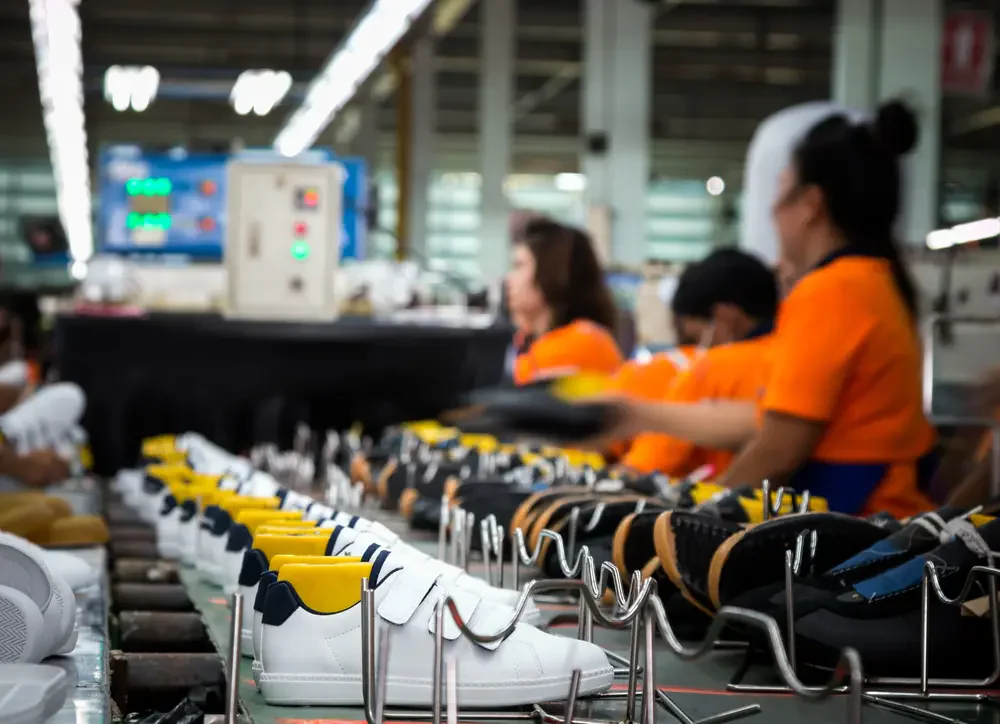
When Puma chooses a manufacturing country, several key factors influence the decision:
- Labor Costs and Workforce Skills: Countries with competitive labor costs and skilled workers allow Puma to balance cost and quality. High-precision stitching, molding, and assembly are critical for maintaining product standards. Knowing where Puma shoes are manufactured helps identify regions with strong craftsmanship.
- Supply Chain Completeness: Availability of local materials such as EVA, rubber, mesh fabrics, and PU ensures smooth production. A strong material ecosystem reduces delays and lowers costs.
- Production Capacity and Flexibility: The ability to handle large-volume orders and adjust for seasonal demand is essential. Some countries specialize in high-volume manufacturing, while others handle smaller, flexible production runs.
- Quality Standards and Compliance: Factories must meet Puma’s strict quality control requirements. Certifications and audits like BSCI, Sedex, and WRAP are considered when selecting production locations.
- Logistics and Proximity to Key Markets: Shipping time, freight costs, and export infrastructure affect lead times. Countries closer to major markets or with strong logistics networks are preferred for fast and reliable delivery.
- Political and Operational Stability: Puma evaluates risks such as labor disputes, policy changes, and infrastructure reliability. Stable countries reduce the chance of supply chain disruptions, which ultimately affects the puma shoes origin.
- Cost vs. Market Positioning: High-end products may be produced in countries with premium craftsmanship, while basic or mass-market shoes are placed in low-cost countries. This balance helps Puma optimize price, quality, and brand perception globally.
How to Source Footwear Products?
Sourcing footwear products efficiently requires a clear strategy and reliable partners. Start by defining your product category. Are you focusing on athletic shoes, casual sneakers, or lifestyle footwear? This choice affects which countries and factories you should target.
Next, research potential suppliers. Look for factories with experience in your chosen category and verify their production capacity. Check certifications, quality control processes, and previous clients. Samples are essential—inspect stitching, soles, materials, and overall finish before placing large orders.
Consider the production country carefully. China and Vietnam are ideal for high-volume and performance shoes. Indonesia and Cambodia work well for cost-effective, seasonal, or basic models. For premium or limited-edition lines, European factories may offer better craftsmanship.
Plan logistics and lead times in advance. Confirm shipping routes, customs requirements, and potential delays. Clear communication with your supplier ensures production schedules are met and quality standards are maintained.
Finally, establish a quality control plan. Regular inspections during and after production prevent defects and reduce risk. By following these steps, importers can source footwear products efficiently, maintain consistent quality, and optimize costs.
7 Top Footwear Manufacturers in China for Importers
| Manufacturer | Location | Product Type | Key Strengths | Suitable for Importers |
|---|---|---|---|---|
| Fujian Quanzhou Jinjiang Shoes Co., Ltd. | Fujian | Sports shoes, casual sneakers | Large production capacity, experienced in OEM/ODM, strong supply chain | High-volume orders, athletic footwear |
| Dongguan Huayi Sports Footwear Co., Ltd. | Guangdong | Running shoes, training shoes | Advanced machinery, quality control, flexible production | Performance footwear, seasonal collections |
| Xiamen Golden Step Shoes Co., Ltd. | Fujian | Fashion sneakers, lifestyle shoes | Trend-focused designs, reliable OEM service | Lifestyle footwear, mid-range sneakers |
| Guangzhou Best Shoes Manufacturing Co., Ltd. | Guangdong | Casual and fashion sneakers | Strong in R&D, custom branding | Custom designs, limited editions |
| Ningbo Rainbow Shoes Co., Ltd. | Zhejiang | Athletic and casual shoes | Cost-effective production, modern equipment | Budget-friendly orders, mass production |
| Shenzhen Apex Footwear Co., Ltd. | Guangdong | Sports, lifestyle, and casual shoes | Quick turnaround, flexible order quantities | Small to medium volume, sampling & prototypes |
| Jiangsu Sunshine Shoes Co., Ltd. | Jiangsu | Casual sneakers, sports shoes | Competitive pricing, experienced workforce | Large-volume orders, mid-range products |
Conclusion
Understanding where is Puma shoes manufactured and the puma shoes origin gives importers a strong advantage in planning production, controlling quality, and managing costs. Each country offers unique benefits, whether it’s China and Vietnam for high-volume athletic shoes, Indonesia and Cambodia for cost-effective models, or Europe for premium collections.
If you’re interested in sourcing footwear products, choose SoSourcing as your procurement agent to significantly streamline the sourcing process. We not only connect buyers with certified factories offering OEM/ODM services but also provide comprehensive procurement agency support, including factory negotiations, production monitoring, quality inspections, and shipping management.
FAQ
Where are Puma shoes made today?
Puma shoes are mainly manufactured in China, Vietnam, Indonesia, Cambodia, India, and some European countries. Different product lines come from different regions. For example, running and training shoes are mostly produced in Asia, while premium or limited editions may come from Europe.
How can I verify the origin of Puma shoes when sourcing?
You can check product labels, inspect the production information on shoeboxes, or request QC reports, factory audit documents, and production batch details from suppliers. Reputable factories provide transparent origin documentation.
Does the country of origin affect Puma shoe quality?
Not significantly. Puma enforces consistent global quality standards. The real difference comes from factory capability and quality control processes, not the country itself.
Are Chinese footwear factories reliable for OEM/ODM projects?
Yes. China has one of the world’s most mature footwear supply chains, offering full services—from design and material sourcing to sampling and mass production. It’s ideal for athletic, casual, and fashion sneakers in OEM/ODM models.
For more manufacturing strategies, please refer to